Free Things To Do In Montmartre: The Complete 2026 Guide
Montmartre is the one Paris neighbourhood where the two best things, the view and the basilica, cost nothing at all. This guide separates what is genuinely free on the Butte from what carries a ticket, and names the free walking tours that cover it.
 By Julien Moreau, Paris Free Experiences Specialist and Local City Guide
Short answer
Entry to Sacre-Coeur is free, every day, 06:30 to 22:30, and the steps and views around it cost nothing. Four free walking tours run in Montmartre, bookable at no charge with a tip at the end. The dome, the funicular and the Mur des Je t'aime area are the paid or closed exceptions to plan around.
Montmartre sits on a hill, and in Paris that is a financial statement: the climb, the panorama and the most-visited basilica in the country are all free. The neighbourhood also has one of the largest selections of free walking tours on this site, with 13 free walks run by independent local guides and listed on GuruWalk, which makes it the one district where a visitor can spend a full day without buying a single ticket. The paid exceptions, the dome, the funicular and a couple of tourist traps, are easy to route around once you know where they are.
This page from Free Things To Do In Paris covers what is free on the Butte in 2026, what changed recently, and how to build a day around it. The general free-Paris background is in our guide to free walking tours in Paris, and the money question, what a walk deserves at the end, is answered in how much to tip on a free walking tour in Paris.
What Is Actually Free In Montmartre?
The free core of Montmartre is the hill itself: Sacre-Coeur entry, the view from the parvis, the staircases, the Clos Montmartre vineyard from the street, Place du Tertre, the artists' square, the two surviving windmills, the Villa Léandre and Rue de l'Abreuvoir lanes, and the Amélie cafe from outside. Everything on that list costs nothing, needs no booking and is open daily. The paid items are the dome, the funicular and the small museums.
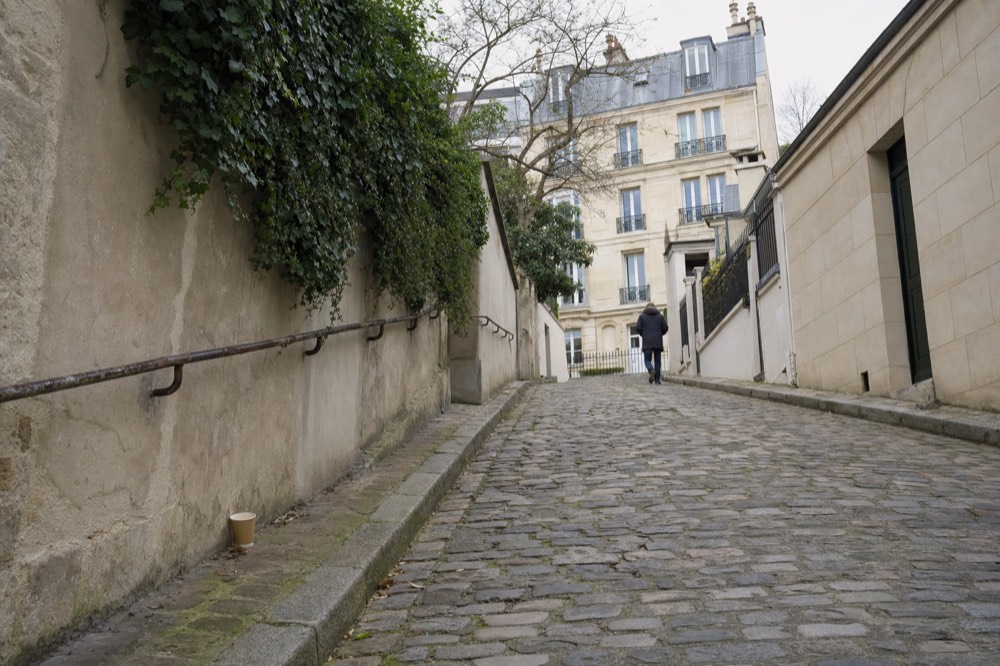
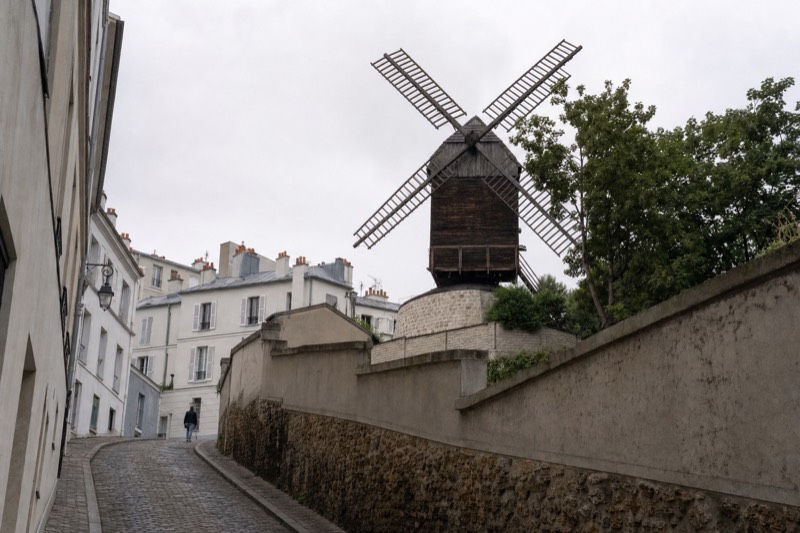
Start with the geography, because it decides the day. The Butte rises about 130 metres above the city, and the two classic approaches are the Rue Foyatier steps from Anvers, over 200 of them, or the calmer climb from the Abbesses side through Rue Lepic. Both are free, both are steep, and the second passes the Moulin de la Galette, one of the two windmills that survive from the dozen that once milled flour here.
The free sights cluster tightly. Place du Tertre, the painters' square, is a five-minute walk from the basilica and costs nothing to wander, though having your portrait done is paid and the artists set their own prices. The Clos Montmartre, the working vineyard behind the Lapin Agile, is visible from Rue Saint-Vincent and Rue des Saules at any time; you only pay if you want a guided visit, and the annual harvest festival, covered below, is free to attend. The Montmartre museum, the Musee de Montmartre, is the one real ticketed attraction in this cluster, so budget for it or skip it.
Here is the honest split, sight by sight:
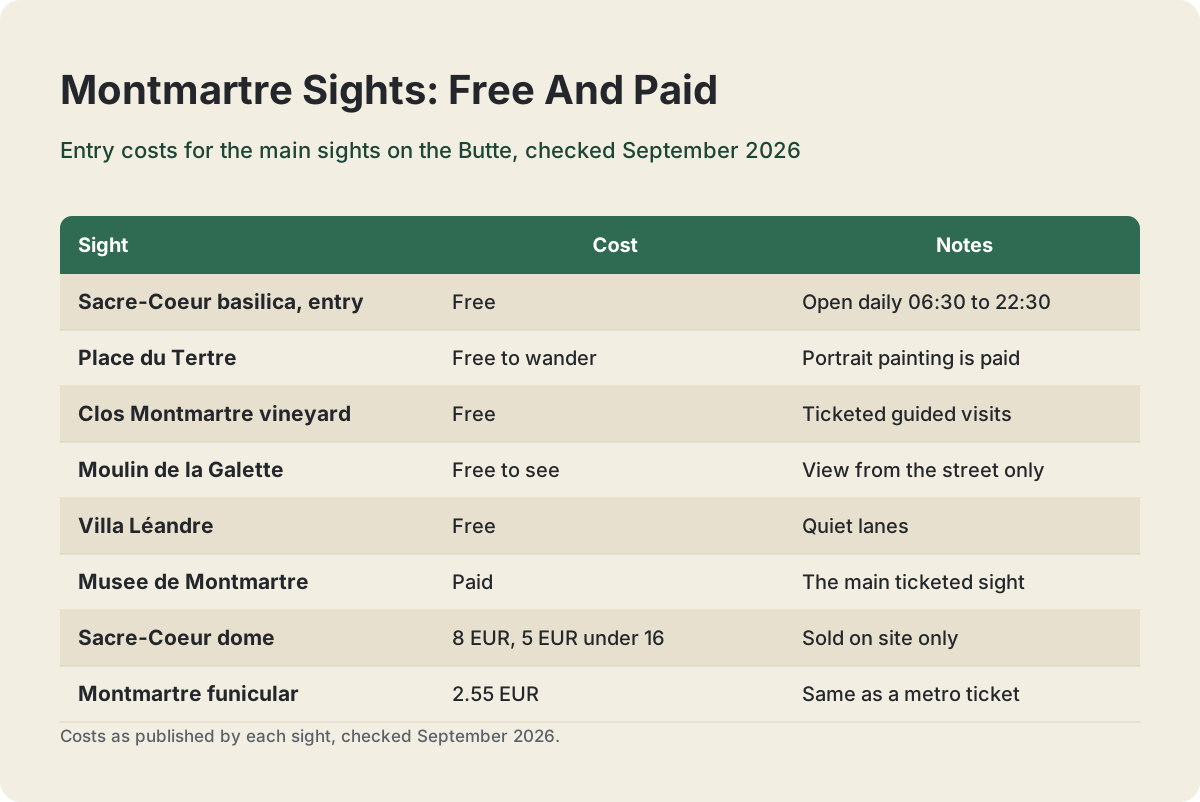
| Sight | Cost | Notes |
|---|---|---|
| Sacre-Coeur basilica, entry | Free | Open daily 06:30 to 22:30 (checked September 2026) |
| View from the parvis and terraces | Free | Best light in the morning, fewest people before 10:00 |
| Place du Tertre | Free to wander | Portrait painting is paid, price set by each artist |
| Clos Montmartre vineyard, from the street | Free | Guided visits inside are ticketed |
| Moulin de la Galette and Moulin Radet | Free to see | Private buildings, view from the street only |
| Villa Léandre, Rue de l'Abreuvoir | Free | Quiet lanes, five minutes from the crowds |
| Musee de Montmartre | Paid | The main ticketed sight on the Butte |
| Sacre-Coeur dome | Paid | 8 EUR from age 16, 5 EUR to 15, sold on site only (checked September 2026) |
| Montmartre funicular | Paid | 2.55 EUR, same as a metro ticket (checked September 2026) |
One caution for 2026 planners: the Mur des Je t'aime, the "I Love You" wall in Square Jehan Rictus, has been reported closed behind barriers since spring 2026 for structural checks, and no reopening date is published. It appears on nearly every older free-Montmartre list, so do not build your route around it. The square itself remains open.
Is Sacre-Coeur Really Free To Visit?
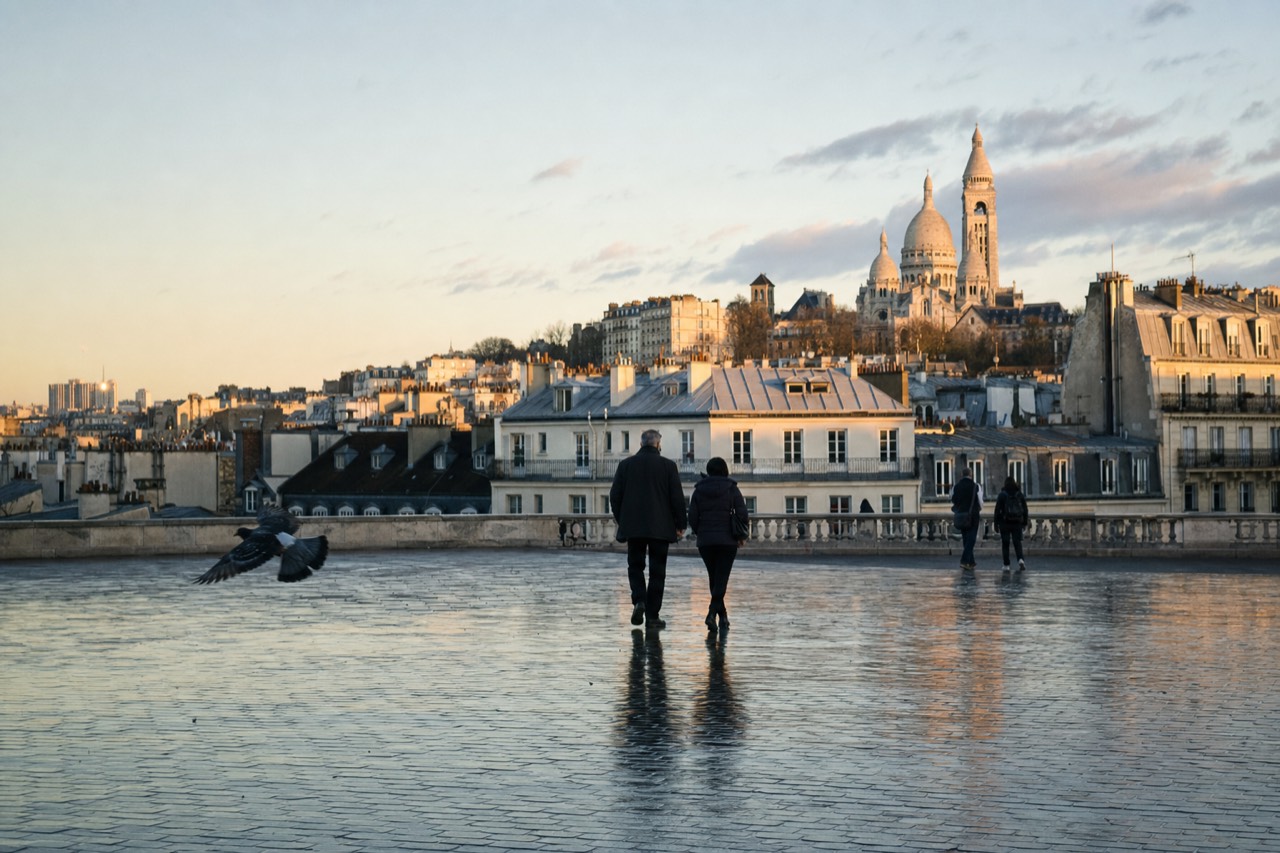
Yes, completely. Sacre-Coeur is free to enter, every day of the year, with no ticket, no booking and no suggested donation, and it keeps the longest opening hours of any major Paris church: 06:30 to 22:30, seven days a week. The only paid part of the basilica is the dome climb, which is a separate ticket sold only on site. The basilica's own practical page confirms both the hours and the free entry.
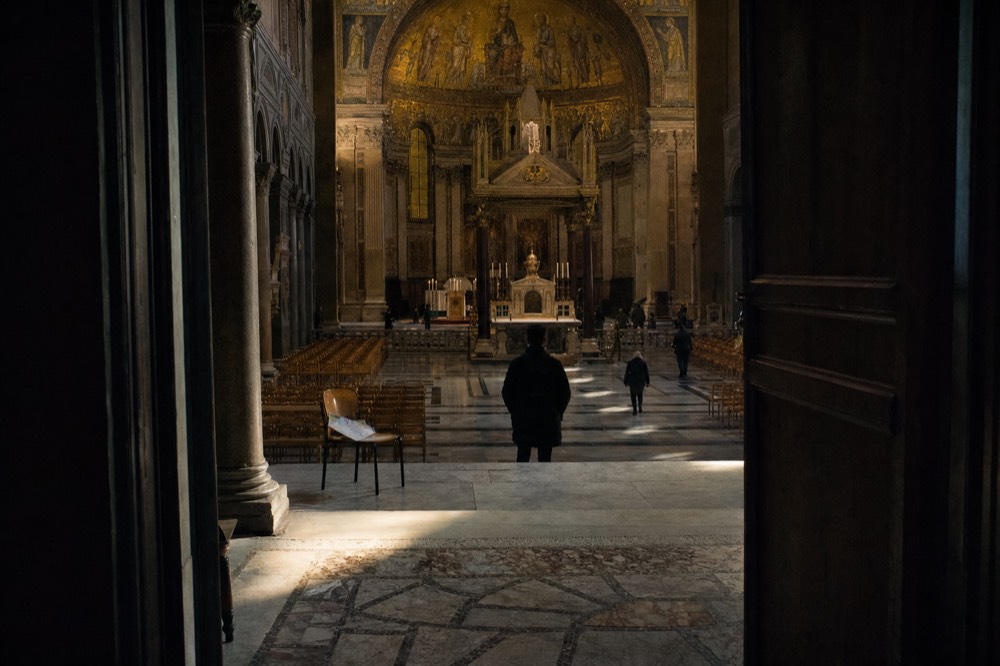
The basilica publishes its own visitor guidance at sacre-coeur-montmartre.com, and two details there are worth carrying. First, between 10:30 and 17:00 the basilica itself warns of a 10 to 15 minute wait to enter the sanctuary, which is a far more honest number than the horror stories suggest, and outside that band the queue usually moves quickly (checked September 2026). Second, the building stays open to 22:30, which makes it one of very few grand Paris interiors you can visit after dinner.
The dome is the one paid extra, and the pricing is simpler than most guides admit. It costs 8 EUR from age 16 and 5 EUR for under-16s, with a small group rate of 6 EUR and 4 EUR for parties of 20 or more, and tickets are sold only at the office in the moat to the left after security, never online. The climb is 280 steps with no lift. The reward is the highest viewpoint in central Paris after the Eiffel Tower, with the whole city and, on a clear day, the countryside beyond it. It is a good purchase, but it is the only one the basilica will ask you to make.
Silence is requested inside, and it is a working church: Mass is said daily, and the Blessed Sacrament has been in continuous adoration here for well over a century, which is why the interior is dimmer and quieter than most visitor churches. Photography without flash is accepted. Dress is not policed at the door, but shoulders covered is the local courtesy.
Which Free Walking Tour Of Montmartre Should You Take?
Four featured free walking tours cover Montmartre in English, all bookable at no charge with a tip at the end: Walkative! Montmartre with 5 stops, a crowd-free 18-stop version, a bilingual art and bohemia walk, and a bilingual martyrdom-to-love history walk. Ratings on GuruWalk run from 4.72 across 1,484 reviews for the Walkative walk to 4.97 across 1,001 reviews for the art walk (checked September 2026).
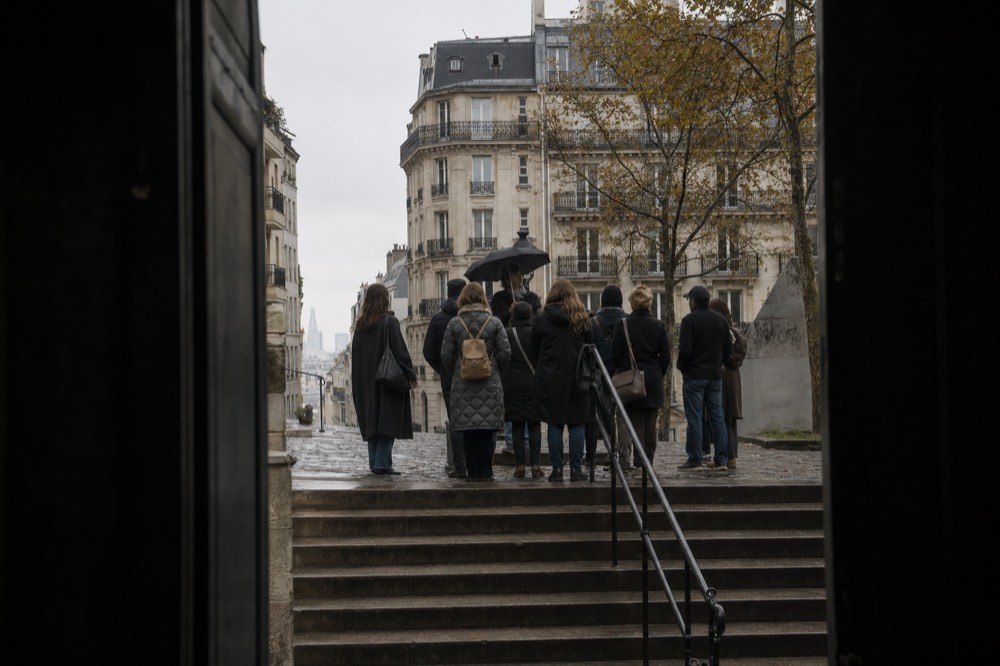
These are free walking tours run by independent local guides and listed on GuruWalk. There is no fixed price: booking costs nothing, and at the end each walker gives the guide what they think the walk was worth. That model is the whole reason this site exists, and it is described plainly in how much to tip on a free walking tour in Paris, where the published figures genuinely disagree: Visit Paris Region suggests around 12 EUR, Walkative says most guests give 10 to 50 EUR per person, and GuruWalk's own guidance for its Paris products says between 15 EUR and 50 USD, so treat every number as a range, not a rule (checked September 2026).
The Walkative! Montmartre walk is the workhorse of the four: 2 hours and 15 minutes, five stops, English only, rated 4.72 across 1,484 GuruWalk reviews, meeting at Blanche, the metro stop at the foot of the Moulin Rouge (checked September 2026). It does the classic arc, the windmills, the vineyard, Place du Tertre and the basilica, with the history of the artists who made the hill famous. If you want one walk that covers the essentials and explains why Montmartre looks the way it does, this is it.
Booking one of these walks is the single most useful free decision you can make on the Butte, because the neighbourhood's story is easy to walk past without a guide and hard to piece together from plaques. A place on a walk costs nothing to reserve, the meeting point is confirmed when you book, and you can change your mind without a charge.
The crowd-free alternative takes a different shape: 1 hour and 30 minutes, 18 stops, rated 4.82 across 1,389 reviews, also from Blanche (checked September 2026). More stops in less time means a faster pace and a route that deliberately threads the quiet lanes, Villa Léandre, Rue de l'Abreuvoir, the back side of the vineyard, rather than the front-door sights. It suits a visitor who has already seen the postcard Montmartre and wants the village underneath.
One practical warning that applies to every meeting point on the Butte: several operators gather at Blanche and at the bottom of the steps at once, each with its own marker, a yellow umbrella for Walkative, a purple umbrella for another crew. Check which marker your walk names before you set off, and confirm the exact meeting point when you reserve, since it is only confirmed at booking.
What Is Free Around Place Du Tertre And The Vineyards?
Place du Tertre is free to wander and needs no ticket, and it is at its best before 10:00 when the painters are setting up and the crowds have not arrived. The Clos Montmartre vineyard is free to see from Rue Saint-Vincent, and its harvest festival, the Fete des Vendanges, runs 7 to 11 October 2026 with free entry to the official programme. The Musee de Montmartre beside it is the one paid museum on the hill.
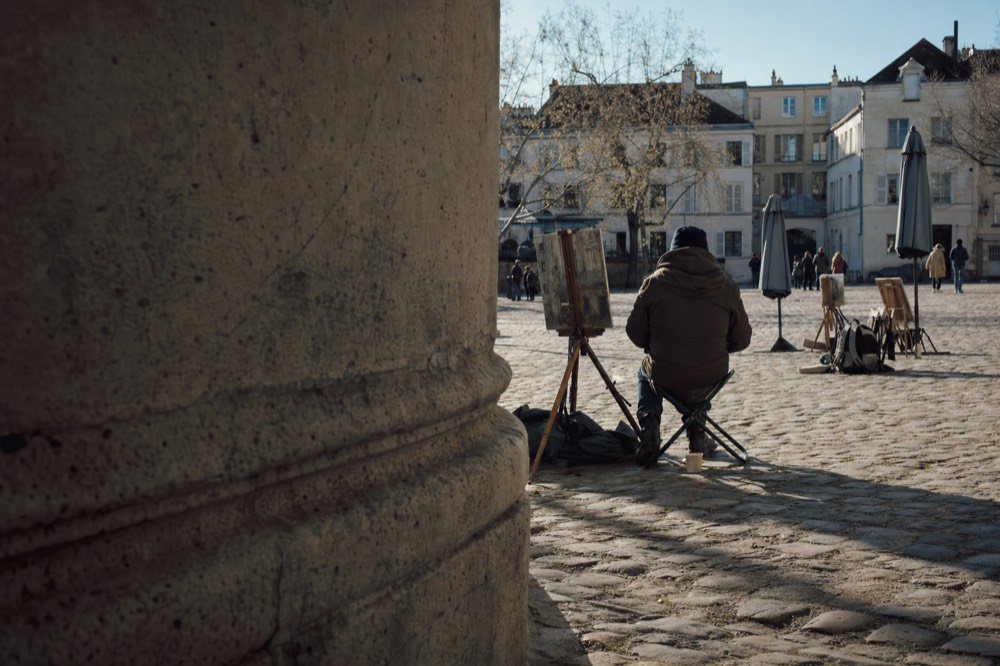
Place du Tertre is touristy and unapologetically so, but the free version of it is genuinely good: a square of restaurants and easels that has held artists since the 1800s, when Picasso and Utrillo were trading paintings for meals a few streets away. The portrait painters work for themselves and quote their own prices, so agree a price before the brush touches canvas. The square costs nothing to enter, and the side streets off it, Rue Norvins and Rue des Saules, are where the village feel survives.
The vineyard is the surprise. Paris has working vineyards and the Clos Montmartre is the most famous, a slope of pinot noir and gamay on the north side of the hill, owned by the City of Paris. You cannot walk through it outside organised visits, but the whole plot is visible from the street, and the wine it produces, sold at auction each year to fund neighbourhood projects, is a real Paris vintage. The Lapin Agile cabaret beside it, where Picasso once paid for drinks with a painting, is a paid evening out but a free thing to look at.
For the art-and-bohemia version of all this, the Bilingual Art and Bohemia Walk is the strongest option on the roster: 2 hours and 30 minutes in English and Spanish, rated 4.97 across 1,001 GuruWalk reviews, meeting in the 18th (checked September 2026). It is the highest-rated of the four Montmartre walks and it leans into exactly this material, the painters, the cabarets and the studios, rather than the general history.
The Fete des Vendanges is the one weekend a year when the whole neighbourhood is a free event. The 93rd edition runs Wednesday 7 to Sunday 11 October 2026, with a grand parade on Saturday 10 October from the vineyard down to the 18th arrondissement town hall, a tasting trail through the streets around Sacre-Coeur, and free entry to the official programme, though some workshops advise reserving. The organisers warn that the Butte is best reached on foot that weekend, bags are checked under the security posture, and crowded sites may be closed if they overflow. Dates are published at fetedesvendangesdemontmartre.com.
Where Does Montmartre History Cost Nothing?
Nearly all of Montmartre history is free to see: the abbey origins at Place des Abbesses, the martyrdom site the hill is named for, the windmills, the Moulin Rouge facade at Blanche, the Dalida house and Rue Lepic. A two-hour bilingual walk, Martyrdom-to-Love, rated 4.94 across 623 GuruWalk reviews, covers that arc from the death of Saint Denis to the romance of the artists era (checked September 2026).
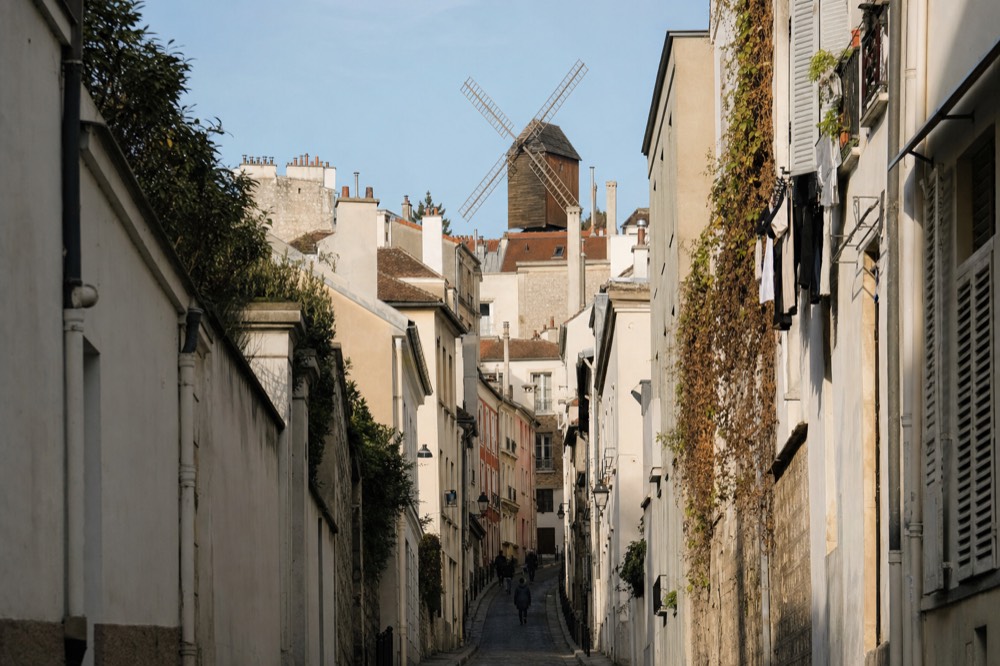
The name comes first. Montmartre is usually read as the mount of martyrs, after Saint Denis, the bishop said to have been executed on the hill around 250 AD and to have carried his own head away afterwards, though scholars debate the etymology. The site is unmarked in any visitable form, but the story sets up the whole arc: a place of execution became an abbey, the abbey became a village of windmills and vineyards, the village became the artists' quarter, and the artists' quarter became the film set everyone recognises.
The physical remains are free and scattered. The Moulin de la Galette on Rue Lepic, painted by Renoir and van Gogh, is now apartments. The Moulin Radet houses a restaurant. The Moulin Rouge at Blanche is a paid show inside but a free facade outside, and it is the meeting point for two of the walks. Dalida's house on Rue d'Orchampt carries its bust of the singer. The Cafe des Deux Moulins on Rue Lepic, the workplace of Amelie, charges for coffee like any cafe but the visit is the point. The film history continues down the hill, and the walks connect it in a way the plaques do not.
The Martyrdom-to-Love walk is the one that tells this arc in order, in English and Spanish, 2 hours and 15 minutes, rated 4.94 across 623 reviews, meeting at 2 Rue Yvonne le Tac near the Abbesses stop (checked September 2026). Because it is bilingual it draws a mixed crowd, and because it starts at the abbey end rather than Blanche it works well as a second Montmartre walk if you have already done a classic one.
Is The Montmartre Funicular Free?
No. The Montmartre funicular costs 2.55 EUR, the same as a metro ticket, and it is not a free ride up the hill (checked September 2026). Navigo passes cover it, but a single metro ticket is a separate product, so do not plan on it being included. The free alternative is the staircase beside it, roughly 220 steps, or the gentler climb through Rue Lepic, which costs nothing and passes the windmills.
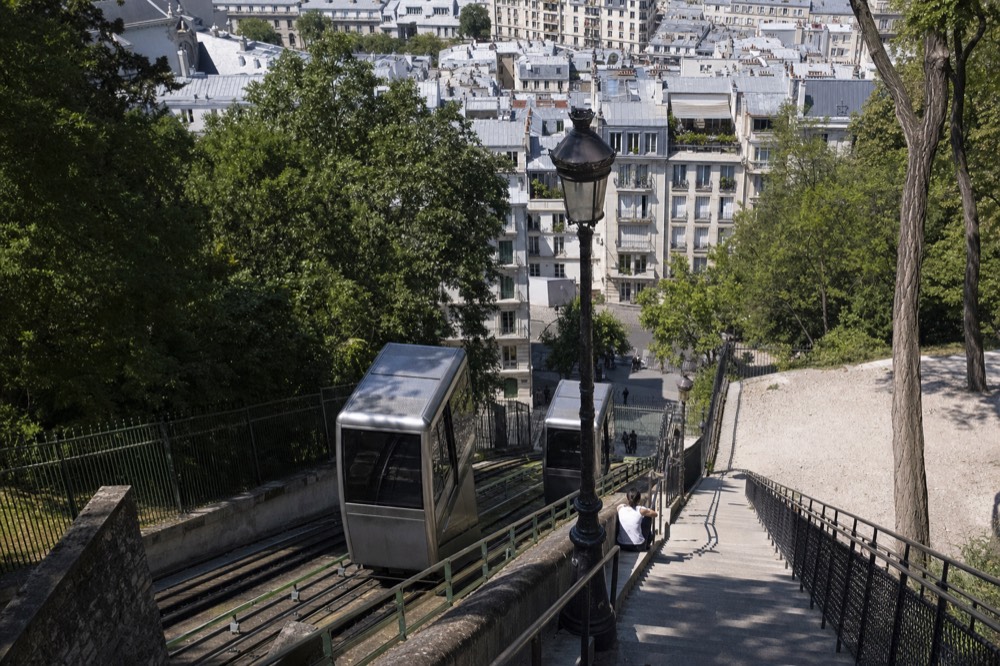
The funicular exists because the hill is genuinely steep, and it saves the steps from the Anvers metro stop to the parvis in about 90 seconds. It runs on the ordinary Ile-de-France fare system, which is why a Metro-Train-RER ticket at 2.55 EUR covers it. It is a reasonable purchase with luggage, with small children, or at the end of a long day. It is not free, and the older advice that treats it as a novelty lift misses that it is simply transport with a transport price.
For most visitors the stairs are the better experience anyway. The Rue Foyatier steps run parallel to the funicular and deliver the view in stages, and the alternative route from Abbesses up Rue Lepic is the one with the windmills, the Cafe des Deux Moulins and the film locations. Here is what the ascent options actually cost:
| Way up the Butte | Cost | Time | Notes |
|---|---|---|---|
| Rue Foyatier steps | Free | 5 to 10 minutes | Roughly 220 steps, direct from Anvers |
| Rue Lepic route from Abbesses | Free | 15 to 20 minutes | Gentler, passes both windmills |
| Funicular | 2.55 EUR (checked September 2026) | 90 seconds | Same ticket as metro, Navigo passes valid |
| Bus 30 or 80 to the top | 2.05 EUR bus ticket (checked September 2026) | 10 minutes | Bus and metro are separate ticket products |
One transport fact worth knowing before you plan the day: metro and bus tickets are two different products in 2026, and one ticket does not transfer between them. A metro-train-RER ticket is 2.55 EUR and a bus-tram ticket is 2.05 EUR, and using the wrong one can draw a fine (checked September 2026). If you are hopping between Montmartre and the centre, plan on walking or buy the right ticket for each leg.
What Is Free In Montmartre At Night?
Sacre-Coeur is the headline free night sight on the Butte, open to 22:30 every evening, which makes it one of the only grand Paris interiors visitable after dark. The parvis view of the lit city is free, the streets around Place du Tertre stay lively into the evening, and the walk down through Rue Lepic to the Moulin Rouge facade is a free night route. The cabarets and the Moulin Rouge show itself are the paid exceptions.
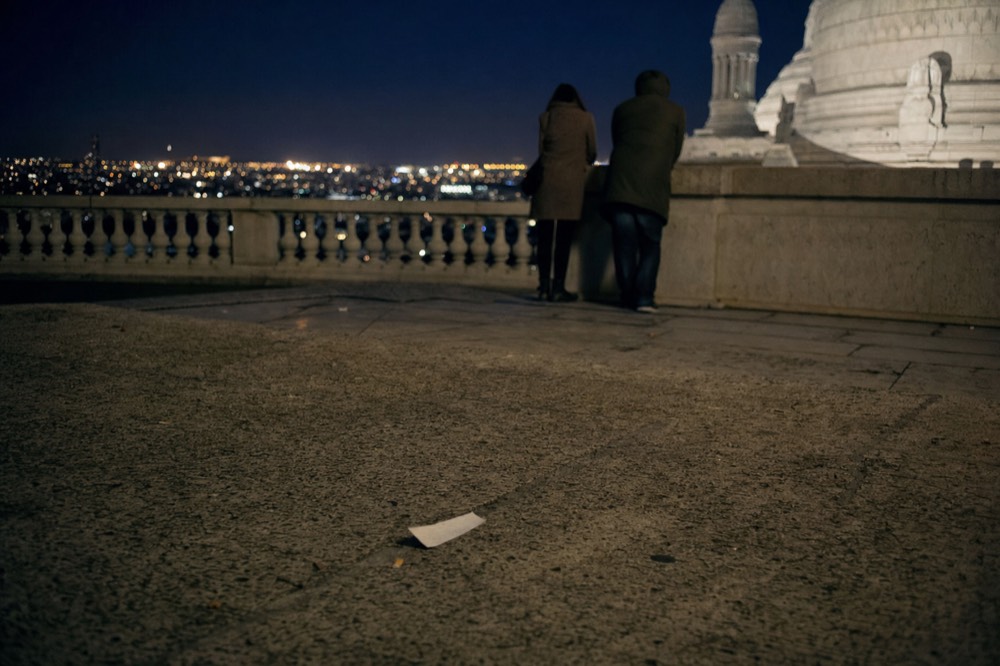
The basilica's 22:30 close is the fact most visitors miss. Almost every other major church in Paris shuts its doors by 19:30 or 20:00, and the state monuments close earlier still. Sacre-Coeur's hours mean you can have dinner in the neighbourhood, walk up, and stand inside the mosaic dome in near silence while the city glitters outside. The evening queue is short. The only caution is the same as by day: it is a working church, and the evening Mass times are posted at the entrance.
Outside, the parvis is one of the best free viewpoints in Paris at night, and it needs nothing but the walk up. The crowd thins after 21:00. The walk down matters too: Rue Norvins and Rue des Abbesses keep their restaurant lights on, and the descent to Blanche ends at the Moulin Rouge, which is a paid show inside but a free, floodlit facade outside. More night ideas across the city are in our guide to free things to do in Paris at night.
The one honest caution about Montmartre at night is the same as by day, and it is not a Montmartre-specific problem: the crowded tourist zones are where pickpockets work, and the hill's stairs and funicular queues are exactly the pinch points (see What To Beware Of In Paris?). Keep the bag zipped and in front of you, and do not accept approaches from anyone selling tickets or bracelets on the steps. There is no free or paid ticket for the basilica, so anyone selling one is selling nothing.
How Do You Plan A Free Day In Montmartre?
A full free day on the Butte works like this: a morning free walking tour from Blanche, a bakery lunch on the parvis or in Square Marcel Bleustein-Blanchet, the afternoon on Place du Tertre and the vineyard lanes, and Sacre-Coeur inside after 21:00 when the queue is gone. The only unavoidable spend is the metro fare to get there, 2.55 EUR each way (checked September 2026), plus whatever you choose to tip your guide.
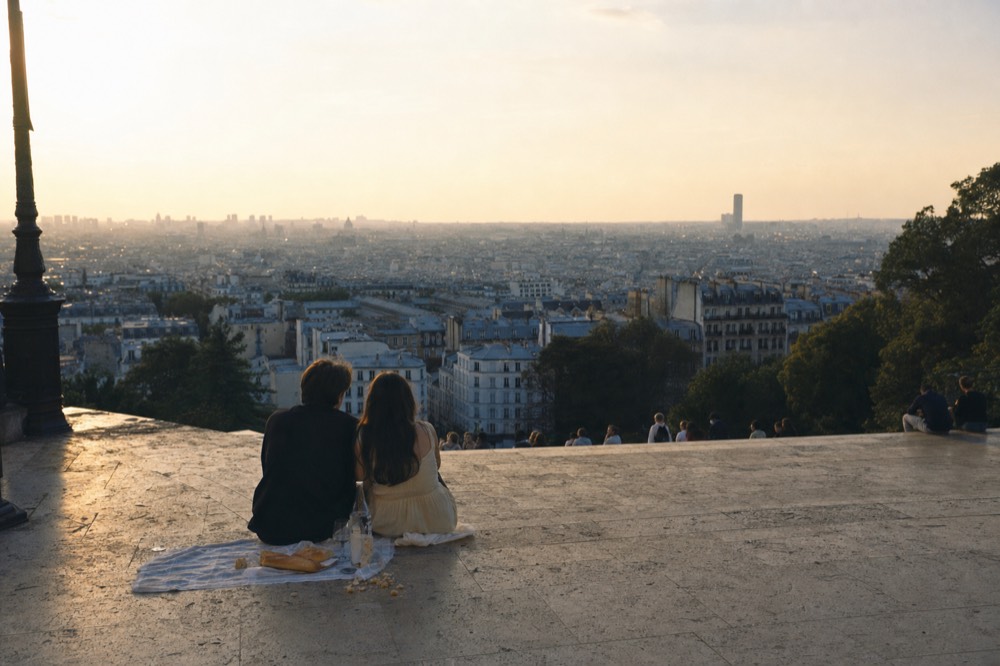
Timing is everything on this hill, because the crowds arrive from about 10:30 and peak through the afternoon. The free version of Montmartre is a morning-and-evening place: the walks run in the morning, the lanes are walkable before midday, and the basilica is at its best after dark. The paid tourist economy, the portrait painters, the terrace restaurants, the souvenir shops, peaks in the middle of the day, which is exactly when you should be elsewhere. A picnic on the parvis steps or in the small park behind the basilica is the standard local move, and Paris tap water is safe, free from the drinking fountains and, in a table-service restaurant, free on request with your meal.
Here is a day that keeps the spending at zero beyond transport and the tip:
| Time | What | Cost |
|---|---|---|
| 09:00 | Metro to Blanche or Abbesses | 2.55 EUR (checked September 2026) |
| 10:00 | Free walking tour of the Butte | Free, tip at the end |
| 12:30 | Bakery lunch on the parvis steps | Picnic price |
| 14:00 | Place du Tertre, vineyard lanes, Villa Léandre | Free |
| 16:00 | Square Marcel Bleustein-Blanchet behind the basilica | Free |
| 19:00 | Dinner in the 18th, or picnic in the park | Your budget |
| 21:00 | Sacre-Coeur inside, view from the parvis | Free |
If one day is not enough, the neighbourhood connects naturally to the rest of free Paris (see Is $1000 Enough For 4 Days In Paris?) (checked September 2026). The Latin Quarter, covered by its own free walks, is a metro ride away, and the historic centre walks start at the Hotel de Ville. Those walks are also free, run by independent local guides on the same pay-what-you-want model, and they make a natural second day.
The questions below are the ones visitors ask most often about free Montmartre, answered from the basilica's own pages, the fare authority and the walk listings. Between them they cover the basilica, the funicular, the tours, the dome, the closed wall and the viewpoints, which is almost the whole free Butte in six answers.
Common Questions About Free Things To Do In Montmartre
Is Sacre-Coeur free to enter?
Yes, completely free, every day of the year, 06:30 to 22:30, with no ticket, no booking and no charge at the door. The only paid part of the basilica is the dome climb, a separate ticket sold on site only. The basilica's own site confirms the free entry and the hours.
How much does the Montmartre funicular cost?
2.55 EUR, the same as a metro ticket, and Navigo passes cover it (checked September 2026). It is not free. The staircase beside it, roughly 220 steps, costs nothing, and the gentler Rue Lepic route passes both windmills on the way up.
Do I have to pay anything when I book a free walking tour?
No. Booking is free, no card is taken, and there is no fixed price. The model is pay what you want: at the end of the walk you give the guide what you think it was worth. The published guidance differs by source, from around 12 EUR suggested by the regional tourism body to ranges of 10 to 50 EUR printed by operators, so treat any figure as a range rather than a rule.
Is the Sacre-Coeur dome worth the ticket?
The dome costs 8 EUR from age 16 and 5 EUR for under-16s, sold only at the office in the moat, never online (checked September 2026). It is 280 steps with no lift, and it gives the highest view in central Paris after the Eiffel Tower. If the sky is clear it is a good purchase; if not, the free parvis view below is nearly as good.
Is the Mur des Je t'aime open?
It has been reported closed behind barriers since spring 2026 for structural checks, with no published reopening date. Do not plan your route around it. The Square Jehan Rictus that contains it remains open, and everything else on the free Montmartre list is unaffected.
What is the best free viewpoint in Montmartre?
The parvis in front of Sacre-Coeur, which costs nothing and needs no ticket. It is quietest before 10:00 and after 21:00. The Rue Foyatier steps and the top of the Rue Lepic climb both give changing views on the way up, and the small park behind the basilica has a lower, greener terrace that most visitors never find.