Free Things To Do In The Latin Quarter: A Complete Free Day
The Latin Quarter is the one Paris district where a full day can genuinely cost nothing: Roman ruins, medieval churches, free gardens and pay-what-you-want walking tours all sit within a fifteen minute walk of each other.
 By Julien Moreau, Paris Free Experiences Specialist and Local City Guide
Short answer
The Latin Quarter is the best free district in Paris. The Arenes de Lutece, the churches of Saint-Severin, Saint-Julien-le-Pauvre and Saint-Etienne-du-Mont, the Jardin des Plantes, the Jardin du Luxembourg and the Jardins du Val-de-Grace are all free. Free walking tours run by independent local guides, listed on GuruWalk, cover the same streets. A metro ticket costs 2.55 EUR (checked September 2026), but none of this needs one.
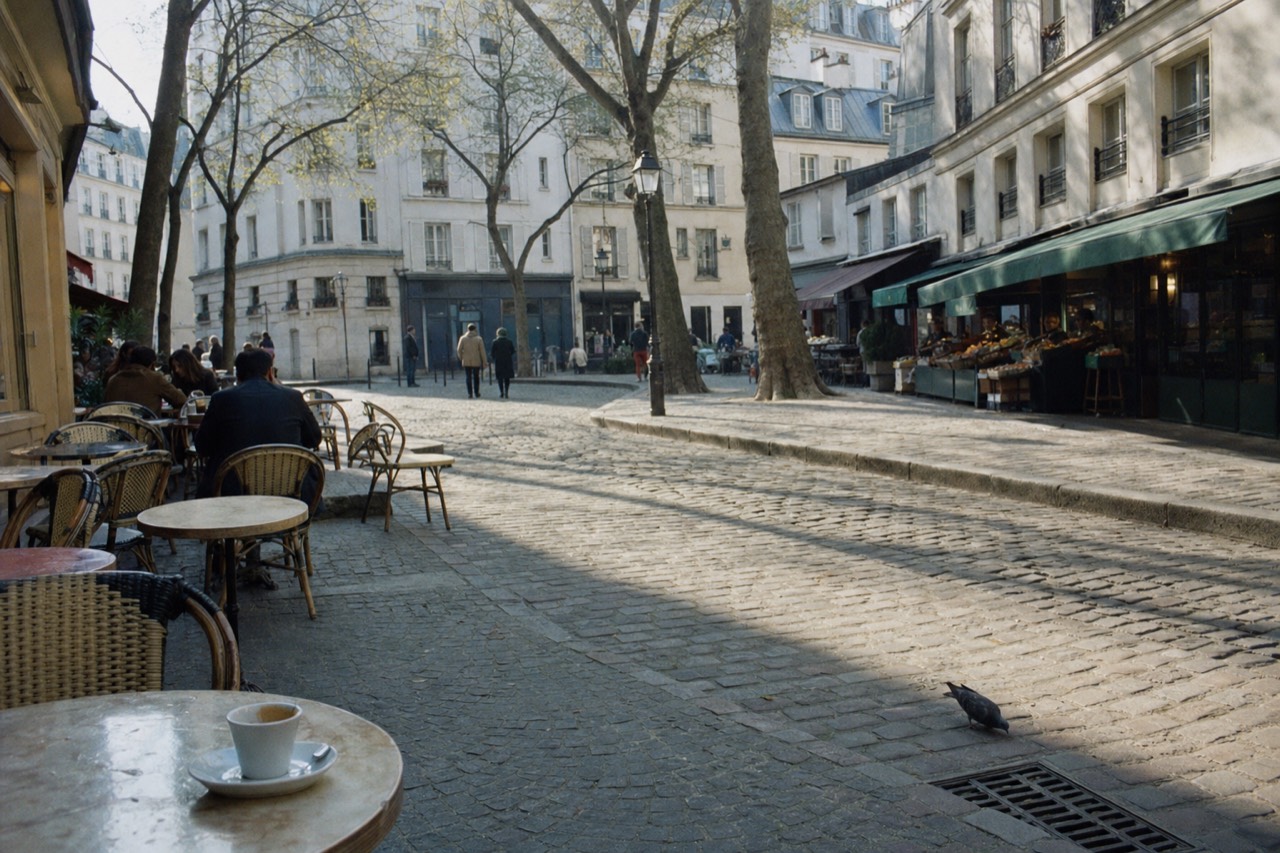
The Latin Quarter takes its name from the Latin the medieval students of the Sorbonne spoke in its streets, and it is still the part of Paris where the streets themselves are the attraction. The Roman amphitheatre buried in the middle of a residential block, the cluster of medieval churches between the boulevards and the river, and the two great free gardens on the district's edges mean a visitor can fill an entire day without buying a single ticket. This guide walks through what is genuinely free, what only looks free, and how the free walking tours of the quarter work, with every price and hour checked against the institution's own published information. It is part of the wider coverage on Free Things To Do In Paris, where the same checked-numbers approach runs across every district.
What Can You Do For Free In The Latin Quarter?
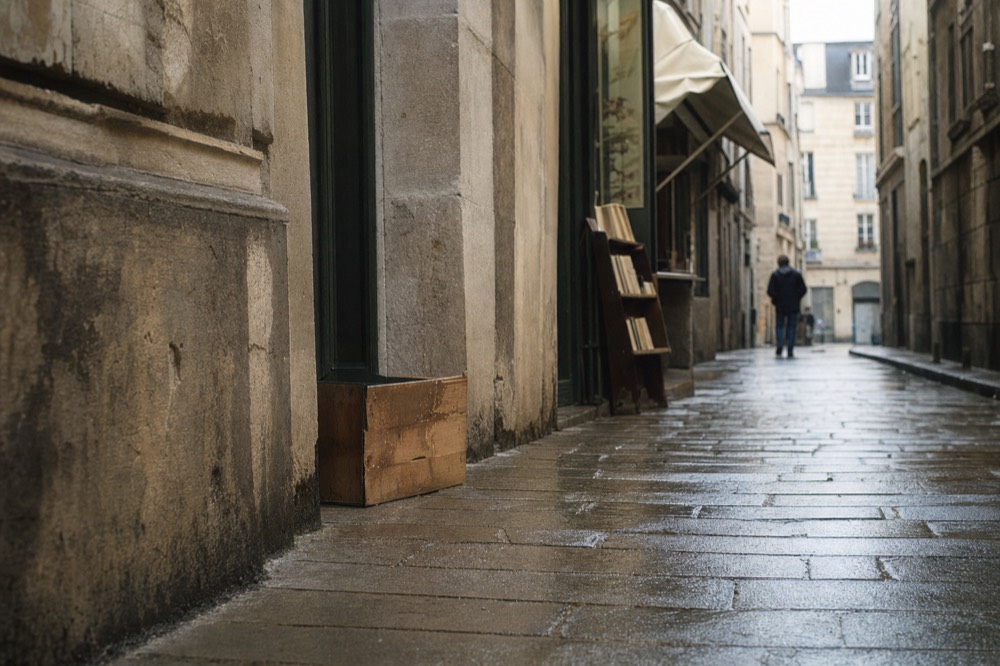
The free core of the Latin Quarter is unusually dense: a Roman amphitheatre, three medieval churches with open doors, two large free gardens, a free rooftop terrace at the Institut du Monde Arabe, and free pay-what-you-want walking tours covering all of it. Add free drinking fountains, free sanisette toilets and free City wifi, and the only unavoidable costs are food and, if you choose it, the 16 EUR Pantheon ticket (checked September 2026).
The district runs from the Seine at Quai Saint-Michel and Place Saint-Michel down to the Jardin des Plantes in the east and the Jardin du Luxembourg in the south, with Saint-Germain-des-Pres on the river side of Boulevard Saint-Germain. Almost everything free sits inside that rectangle, and the rectangle is small. Notre-Dame to the Latin Quarter is about 500 metres, and the Louvre to Notre-Dame about 1.5 km, so a visitor staying anywhere central can walk in without paying for transport at all.
The one thing that is not free but that people expect to be is the Pantheon. It is 16 EUR from 1 April to 30 September, 13 EUR on Wednesdays and from October to March, and free for everyone only on the first Sunday of January, February, March, November and December (checked September 2026). The dome panorama is closed for works, so the ticket currently covers the nave and crypt only. Looking at it from Place du Pantheon, by contrast, costs nothing, and the square in front is one of the best free people-watching spots in Paris.
For the bigger picture of no-cost sightseeing across the city, the companion page on free museums and permanent collections lists the eleven City museums that never charge, several of which are a short walk from the quarter's eastern edge.
Is A Free Latin Quarter Walking Tour Actually Free?
Yes, in the specific sense that booking costs nothing and no card is taken: the walks on this site's roster are run by independent local guides and listed on GuruWalk, and each is free to reserve, with payment settled at the end when each walker gives the guide what they think the walk was worth. There is no fixed price and no deposit, though large groups are sometimes pushed to paid products.
The model matters to understand before you book. A free walking tour is not a gift from a tour company; it is a self-employed guide betting that enough of the group will pay at the end (see Which Company Offers The Best Free Walking Tours In Paris?). The guide also pays a per-walker booking fee to the platform, reported at about 2.50 EUR per booked walker, so a walk where nobody tips is a loss for the guide. That is why operators publish suggested amounts rather than leaving it entirely open, and why four official sources give four different figures: Visit Paris Region, the official regional tourism body, says participants usually leave around 12 EUR; GuruWalk's own guide help pages say a good guide averages 10 EUR per traveller; Walkative tells its Paris guests that most give between 10 and 50 EUR per person; and GuruWalk's walker-facing Paris page prints a guideline of between 15 EUR and 50 USD per participant (all checked September 2026). No median exists, so treat all of these as ranges with attribution, never as a going rate.
For the Latin Quarter specifically, five walks on the roster cover the district, and they differ in length, language and meeting point. The table below sets them out. Meeting points are confirmed when you reserve a place, and the language of the walk is the single most common booking error: high-volume Paris walks are language-siloed, so check the language before reserving.
| Walk | Rating on GuruWalk | Duration | Language | Meets at |
|---|---|---|---|---|
| Pantheon and Roman Ruins Walk | 4.81 across 199 reviews (checked September 2026) | 2 hours | English | Place Saint-Michel |
| Saint-Germain and Saint-Michel | 4.96 across 494 reviews (checked September 2026) | 2 hours | English | Place Saint-Germain des Pres |
| Majestic Latin Quarter, English | 4.95 across 395 reviews (checked September 2026) | 2 hours | English | Fontaine Saint-Michel |
| Walkative! Latin Quarter, 7 Stops | 4.73 across 352 reviews (checked September 2026) | 2 hours and 15 minutes | English | 37 Rue de la Bucherie, 75005 |
| Bilingual Memories Latin Quarter | 4.83 across 332 reviews (checked September 2026) | 2 hours and 15 minutes | English and Spanish | 19 Quai Saint-Michel, 75005 |
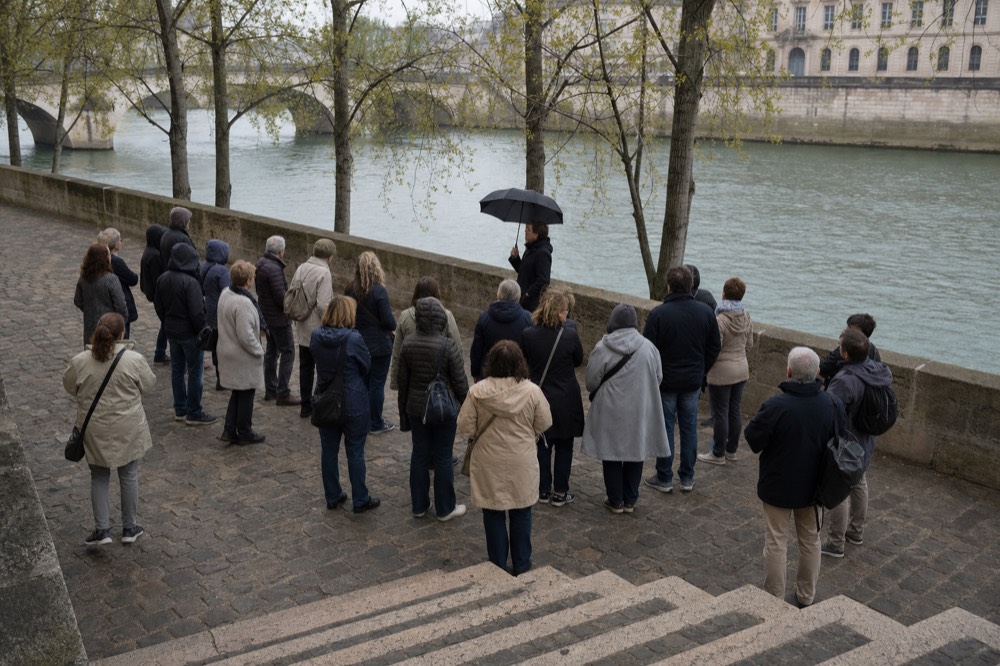
One operational detail worth knowing: several Paris walks do not run unless a minimum number of people register, and some operators refuse parties of seven or more on the free product. If you are travelling in a big group, reserve early and read the walk's own conditions, because the free product can convert into a paid one for large parties.
Whether these walks are worth it compared with going alone is a fair question, and the answer is that they cover ground you would otherwise miss: the Roman layer of the quarter, the student-history layer, and the back streets between Rue Mouffetard and the Pantheon. If you would rather move at your own pace, the site's self-guided walking tour of Paris maps a route you can follow without a guide, and the general free walking tours in Paris page explains the model in more depth.
Which Roman And Medieval Landmarks Are Free To Enter?
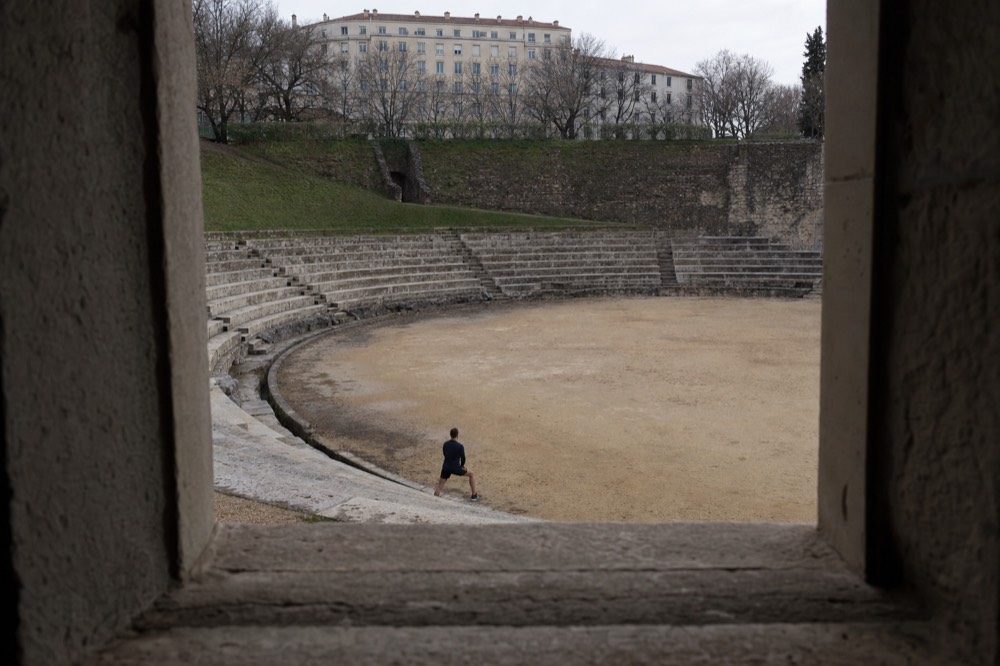
The Arenes de Lutece is the quarter's best free landmark: the exposed remains of a Roman amphitheatre that once held thousands of spectators, open in a residential square with no ticket, no desk and no queue. The medieval churches of Saint-Severin, Saint-Julien-le-Pauvre and Saint-Etienne-du-Mont are likewise free to enter during opening hours. The Pantheon and the Musee de Cluny are paid, so the Roman and medieval layers split cleanly between free and ticketed.
The Arenes de Lutece is the surprise of the district. The amphitheatre was built in the first century and buried under later housing, then partially excavated and rebuilt into a public square in the 19th century. Today you enter through a passageway on Rue Monge or from the Rue des Arenes side, and you simply walk in. There is nothing to buy and no staffed entrance; it is a park with Roman walls. It is also one of the quietest free sights in Paris, because most itineraries skip it. The same free access makes it a stop on the free stargazing programme too: the Arenes de Lutece was one of the new 2026 sites for Paris sous les etoiles, the free astronomy nights run in Paris parks from late June to early September.
The Pantheon, five minutes uphill, is the paid counterpoint, and its free days are worth planning around if your trip falls in the first Sunday of a winter month. The building is the resting place of Voltaire, Rousseau, Marie Curie and Victor Hugo among others, and the crypt is included in the ticket. If you go, note that the colonnade and panorama are closed for works, so the view from inside the dome that older guides describe is not currently part of the visit (checked September 2026).
This Roman-and-ruins layer is exactly what one free walk specialises in. The Pantheon and Roman Ruins Walk is a free walking tour run by an independent local guide, listed on GuruWalk, rated 4.81 across 199 reviews (checked September 2026), two hours long, in English, meeting at Place Saint-Michel, with the meeting point confirmed when you reserve. It pairs the Pantheon's exterior history with the amphitheatre and the Roman road fragments most visitors walk past without noticing.
Because it costs nothing to book, it works as a low-commitment anchor for the day: reserve it, and if the weather turns or your plans shift, you have lost nothing. The walk is free and you pay what you want at the end.
What Is Free Around Saint-Germain-des-Pres?
The free core of Saint-Germain-des-Prés is the church of Saint-Germain-des-Prés, the Place Saint-Germain-des-Prés it faces, and the walk along Rue de Buci and the covered market streets. The famous cafes are not free and never were, but the district's literary geography, from the church to the Seine at Rue de Seine, is entirely walkable at no cost, and a dedicated free walk covers it in about two hours.
The church of Saint-Germain-des-Pres is the oldest of the great Paris churches, with an abbey founded in the mid-6th century, though most of what stands today dates from around the year 1000 and later (see Is $1000 Enough For 4 Days In Paris?) (checked September 2026). Entry is free during opening hours. Note that the parish publishes only its summer hours in advance, so in autumn and winter the practical approach is to try the door: the church sits directly on Place Saint-Germain-des-Pres, where the metro exit and the old café terraces meet, and the square itself is free public space with nothing to buy.
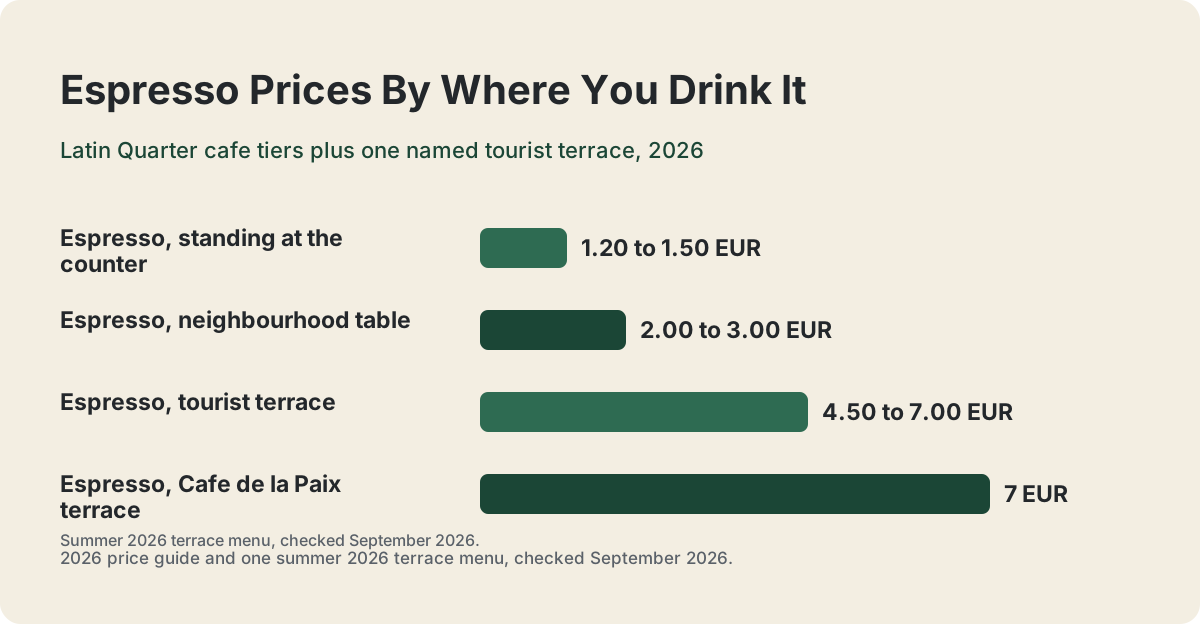
The café layer is the part every visitor knows, and the honest framing is that it is a paid experience with a free alternative. A 2026 price guide puts an espresso at 1.20 to 1.50 EUR standing at the counter, 2.00 to 3.00 EUR at a neighbourhood table, and 4.50 to 7.00 EUR on a tourist terrace, with the Cafe de la Paix summer 2026 terrace menu listing an espresso at 7 EUR (checked September 2026). Standing at the zinc of an ordinary café costs about the price of a metro ticket and buys the same Saint-Germain atmosphere. French law also requires a table-service restaurant to give you a free carafe of tap water on request if you are consuming on the premises, so a seated coffee does not have to mean a bottled-water upsell.
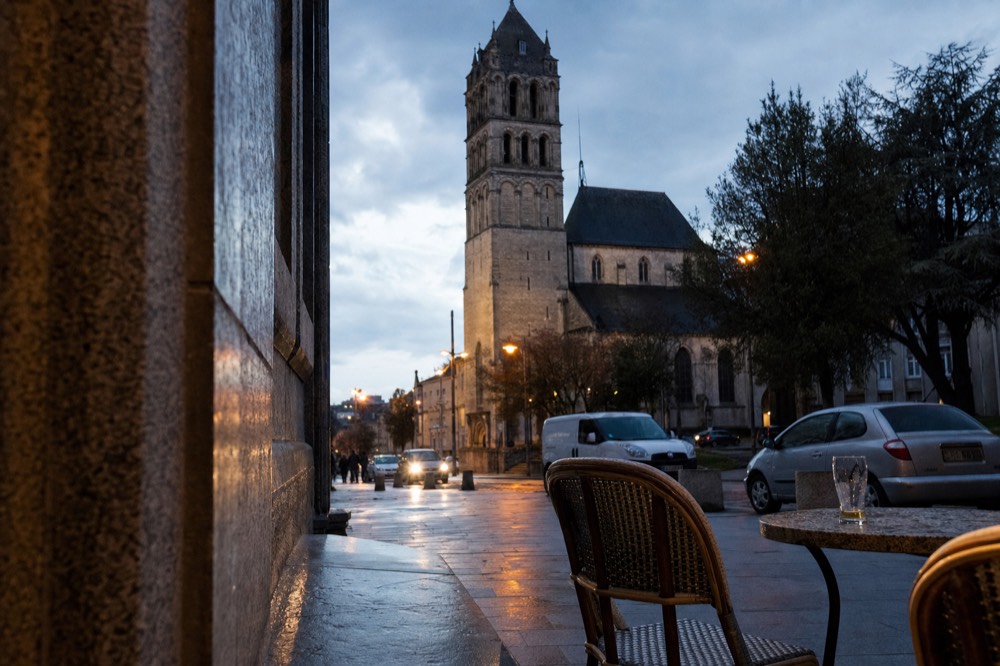
The free walk that covers this side is the Saint-Germain and Saint-Michel walk, run by an independent local guide and listed on GuruWalk. It is rated 4.96 across 494 reviews, two hours long, in English, meeting at Place Saint-Germain des Pres, with the meeting point confirmed when you reserve (checked September 2026). It is the highest-rated walk of the Saint-Germain options on the roster and the natural choice if the abbey church, the literary cafés and the river frontage are your priorities rather than the Roman layer.
Which Latin Quarter Churches And Gardens Cost Nothing?
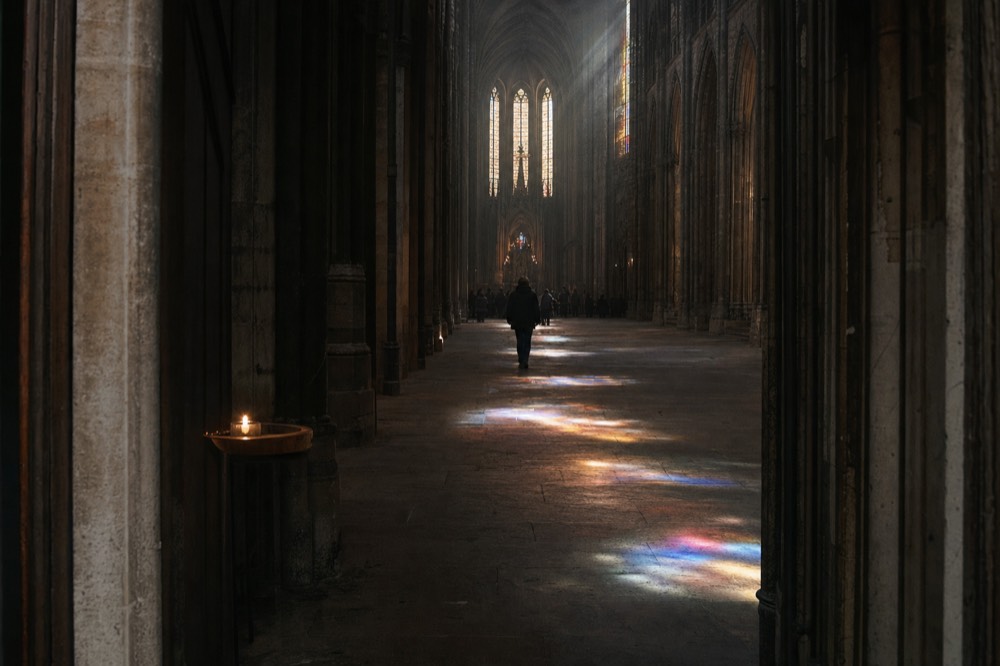
Three medieval churches in the quarter are free to enter: Saint-Severin, the most complete flamboyant Gothic church in Paris; Saint-Julien-le-Pauvre, among the oldest standing parish churches in the city; and Saint-Etienne-du-Mont, which holds the only rood screen left in Paris. The gardens split the same way: the Jardin des Plantes, the Jardin du Luxembourg and the new Jardins du Val-de-Grace are all free, while the menagerie and the museum galleries charge.
Saint-Severin sits on Rue Saint-Severin in the heart of the old student quarter, steps from Rue de la Harpe, and its double side aisles and twisted pillar cluster make it the district's most rewarding free interior. Saint-Julien-le-Pauvre faces the Square Rene Viviani across from Notre-Dame, and its simple Romanesque nave is a two-minute free detour from the river. Saint-Etienne-du-Mont, behind the Pantheon on Place Sainte-Genevieve, is where the patron saint of Paris is honoured and where the carved stone rood screen survives. All three are working churches: entry is free, dress is ordinary-visitor dress, and the respectful rule is to avoid the pews during services. For a fuller treatment of open doors across the city, the free churches in Paris guide lists hours and access details.
| Free church | Where | What to see | Entry |
|---|---|---|---|
| Saint-Germain-des-Pres | Place Saint-Germain-des-Pres, 6th | Oldest of the great Paris churches, Romanesque bell tower | Free during opening hours |
| Saint-Severin | Rue Saint-Severin, 5th | Flamboyant Gothic, twisted pillars in the ambulatory | Free during opening hours |
| Saint-Julien-le-Pauvre | Rue de la Bucherie side, 5th | Romanesque nave, oldest parish church fabric in Paris | Free during opening hours |
| Saint-Etienne-du-Mont | Place Sainte-Genevieve, 5th | The only remaining rood screen in Paris | Free during opening hours |
| Saint-Sulpice | Place Saint-Sulpice, 6th | Huge classical facade and Delacroix murals | Free; volunteer-led tours have no published price |
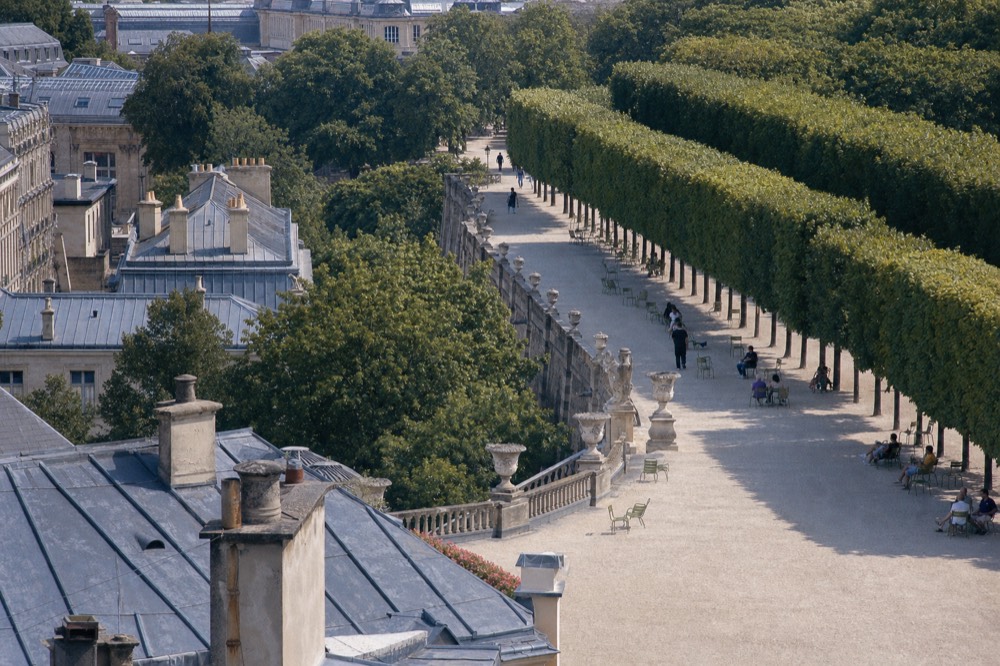
The gardens are the quarter's free breathing space. The Jardin des Plantes is free to enter, with lawns, the Alpine garden and its famous old cedar of Lebanon; the menagerie and the mineralogy gallery inside charge, and the Galerie de Paleontologie is temporarily closed (checked September 2026). It is a state garden, so it closes at night rather than staying open like a quarter of the City's own parks. The Jardin du Luxembourg is run by the Senate, free, and its hours shift twice a month with the sunset: 07:30 to 19:45 for 1 to 15 September 2026 and 07:30 to 19:15 for 16 to 30 September, per the Senate's own hours table (checked September 2026). Its summer programme, L'Ete du Jardin du Luxembourg, hangs about twenty free exhibitions on the railings and at the Orangerie, which is a free-culture item almost no visitor list carries.
The genuinely new one is the Jardins du Val-de-Grace, which opened to the public in late January 2026 on the site of the former military hospital in the 5th. Sixteen thousand square metres of replanted grounds, with four hundred and twenty-nine trees in total after the new planting, and free access. It is the newest free green space in the Latin Quarter and appears on almost no competitor page, because it did not exist when those pages were written. Do not confuse it with the Eglise du Val-de-Grace across the way, which is not free: it is visitable only on an army medical museum ticket.
What Free Practical Services Can You Use In The Quarter?
The Latin Quarter is well served by the free public infrastructure the City provides everywhere: free drinking fountains, more than 1,300 of them across Paris by the City's own count; free sanisette toilets, no coin needed since 2006; free Paris Wi-Fi at municipal sites, 314 listed with 293 operational (checked September 2026); and City libraries you can walk into with no card. None of these needs a purchase, a registration or a ticket.
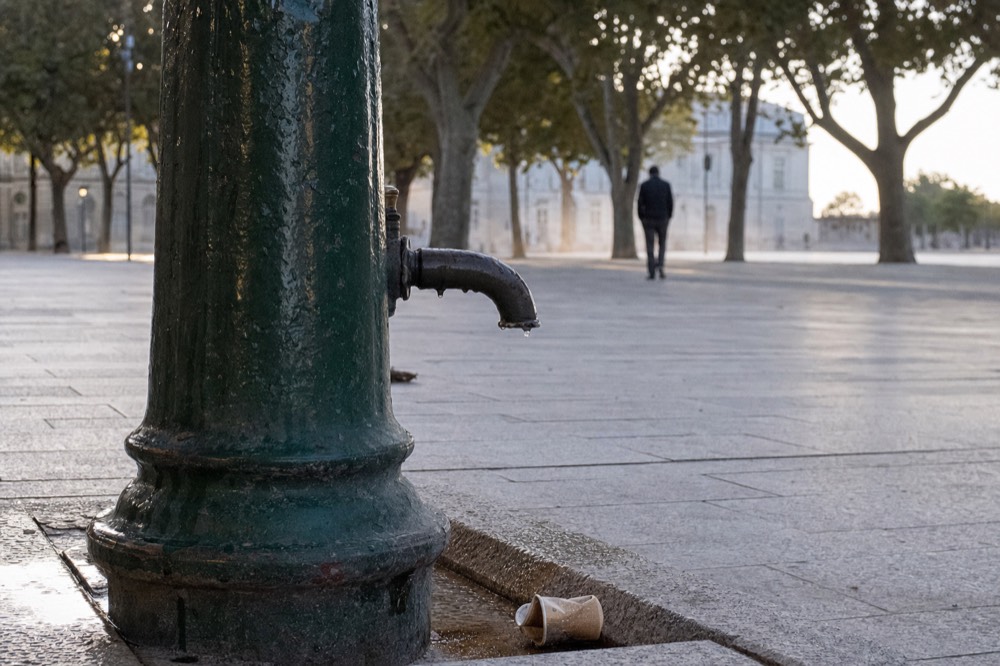
Start with water. Paris tap water costs 4.23 EUR per cubic metre including tax from 1 January 2026, which works out at less than half a cent per litre, and the public fountains serve exactly that water free. The City's own pages disagree on the precise fountain count, which is itself worth knowing: the live open-data file holds 1,323 records with 1,238 marked available, while other City pages say about 1,300, so the honest number is "more than 1,200, and the City's own pages disagree on the exact figure". Wallace fountains are the green cast-iron icons; about 110 of them stand in Paris by the official counts. In winter, from around November to March, part of the network is shut down for frost, with several hundred kept running. Beyond the fountains, shops carrying the "Ici je choisis l'Eau de Paris" sticker will refill a bottle with no purchase required.
Toilets are the quiet money-saver. Sanisettes have been free since 2006, the standard opening band is 06:00 to 22:00, and 158 of the City's 610 toilet records run 24 hours (checked September 2026). The new-generation cabins self-clean for about thirty seconds between uses. Not every City-listed toilet is free, a handful are paid units delegated to a contractor, but the sanisette type is free by definition.
| Free service | What you get | The catch |
|---|---|---|
| Drinking fountains | Free tap water, same network as buildings, 24 hours on the public highway | Part of the network wintered from around November to March |
| Sanisette toilets | Free self-cleaning cabins, standard band 06:00 to 22:00, 158 units open 24 hours (checked September 2026) | A handful of City-listed toilets are a paid type |
| Paris Wi-Fi | Free network at municipal sites, 314 listed, 293 operational, sessions of 2 hours, reconnect freely (checked September 2026) | Runs 07:00 to midnight, and indoor sites only while the venue is open |
| City libraries | Walk in, sit, read, use the wifi, no card and no payment | Only borrowing needs free registration; lending CDs is the one paid element |
| Museum cloakrooms | Free bag drop at major museums | Size-capped, for example the Louvre at 55 x 35 x 20 cm |
Wifi deserves one safety note. The network to look for is PARIS_WI-FI_ followed by a number. The old French community hotspot networks, including FreeWifi, were switched off on 1 October 2025, so any open network carrying those familiar names in 2026 is almost certainly fake and should not be joined. The metro, meanwhile, has full mobile-data coverage rather than station wifi, which is a different thing.
How Do You Plan A Free Day In The Latin Quarter?
A realistic free day runs river-to-garden: start at Fontaine Saint-Michel, walk the medieval church cluster to Saint-Severin and Saint-Julien-le-Pauvre, cross to the Arenes de Lutece, climb past the Pantheon to Saint-Etienne-du-Mont, then finish in the Jardin du Luxembourg. Every stop on that spine is free, the whole route is under three kilometres on foot, and a single free walking tour can replace the first half if you prefer a guide.
The table below lays out one tested shape for the day. It assumes nothing but walking, a filled water bottle and, if you take one, a free walking tour reserved in advance. Distances are short: Notre-Dame to the heart of the Latin Quarter is about 500 metres, and the whole spine from Place Saint-Michel to the Luxembourg gates is a comfortable morning.
| Time | Stop | Cost | Notes |
|---|---|---|---|
| Morning | Fontaine Saint-Michel and the river quais | Free | Meeting point of several free walks; the fountain is the district's front door |
| Morning | Saint-Julien-le-Pauvre, then Saint-Severin | Free | Two medieval interiors ten minutes apart |
| Midday | Arenes de Lutece | Free | Roman amphitheatre in a residential square, no ticket of any kind |
| Midday | Lunch: bench picnic or counter standing | From about 1.32 EUR for a Paris tradition baguette (checked September 2026) | Picnics are allowed in City parks if the place is left clean |
| Afternoon | Saint-Etienne-du-Mont, then the Pantheon exterior | Free | Pantheon interior is 16 EUR in high season (checked September 2026) |
| Afternoon | Jardin du Luxembourg | Free | Hours shift with the sunset; lawns closed to walkers |
| Late afternoon | Institut du Monde Arabe terrace | Free | Open Tuesday to Sunday 10:00 to 18:00, view of Notre-Dame's apse (checked September 2026) |
Two practical cautions finish the plan. First, the Pantheon's free first Sundays exist only in the five months January, February, March, November and December, so a summer visitor following old "free first Sunday" advice will be charged full price. Second, if your day includes Notre-Dame across the river, cathedral entry is completely free, booking is optional and only opens a day or two ahead, and any third party selling entry tickets is selling something the cathedral gives away. From 1 July 2026, external guided tours inside Notre-Dame also require advance booking and cathedral-hired headsets, so a free walking tour of the quarter will show you the exterior and the history but not guide you around the nave.
If you want a guide for the spine of the day rather than finding your own way, the Majestic Latin Quarter walk is the general-purpose option: a free walking tour run by an independent local guide, listed on GuruWalk, rated 4.95 across 395 reviews, two hours, in English, meeting at Fontaine Saint-Michel, with the meeting point confirmed when you reserve (checked September 2026). It is the walk to pick if you want the whole quarter in one pass, churches and Roman remains and student history together.
For visitors whose plans stretch beyond the 5th and 6th arrondissements, the same pay-what-you-want model runs across the city, and the strongest walks on the roster cover the historic centre and Montmartre. The three below are the natural next reservations after a Latin Quarter day: the bilingual centre walk from Fontaine Saint-Michel, the long-running Walkative centre circuit from Hotel de Ville, and the Montmartre classic from Blanche.
The questions below are the ones visitors actually ask about a free Latin Quarter day, answered with the same checked figures used throughout this guide: entry costs, walking-tour booking, tipping ranges, the Pantheon's price and free days, picnic rules and the walk to Notre-Dame.
Common Questions About Free Things To Do In The Latin Quarter
Is the Latin Quarter free to visit?
The streets, squares, fountains and river quais cost nothing, and the main free landmarks inside the quarter, the Arenes de Lutece, the medieval churches, the Jardin des Plantes and the Jardin du Luxembourg, are all free. The Pantheon and the Musee de Cluny charge. A metro ticket to reach the district is 2.55 EUR (checked September 2026), but from central Paris it is walkable.
Do I need to book a free walking tour in the Latin Quarter?
Booking is free and takes no card, and some walks do not run without a minimum number of registered walkers, so reserving is the safer option. You pay the guide what you want at the end. Parties of seven or more are sometimes refused on the free product or moved to a paid option, so large groups should read the walk's conditions before reserving.
How much should I tip on a free walking tour in Paris?
There is no single figure, and no median exists. Visit Paris Region says participants usually leave around 12 EUR, GuruWalk's guide help pages put a good guide's average at 10 EUR per traveller, Walkative tells guests most give between 10 and 50 EUR, and GuruWalk's walker-facing page prints a guideline of 15 EUR to 50 USD (all checked September 2026). Treat these as a range and pay what the walk was worth to you.
Is the Pantheon in Paris free?
Not for most adult visitors. It is 16 EUR from April to September, 13 EUR on Wednesdays and from October to March, and free for everyone only on the first Sunday of January, February, March, November and December, with the usual under-18 and EU 18-to-25 exemptions (checked September 2026). The dome panorama is closed for works, so the ticket covers the nave and crypt.
Can you picnic in the Latin Quarter gardens?
Yes. Picnics are allowed in City of Paris parks and gardens on condition the place is left clean, and groups over 30 need authorisation. Alcohol is forbidden in City parks, and the Jardin du Luxembourg, run by the Senate, prohibits walking on the lawns. The Champ de Mars lawns are the classic free alternative a metro ride away.
Is Notre-Dame close to the Latin Quarter, and is it free?
Notre-Dame is about 500 metres from the heart of the Latin Quarter, across the Seine from Quai Saint-Michel. Cathedral entry is completely free, reservation is optional and only opens a day or two ahead, and the cathedral warns that no third party is authorised to sell entry tickets. The towers are a separate paid monument.