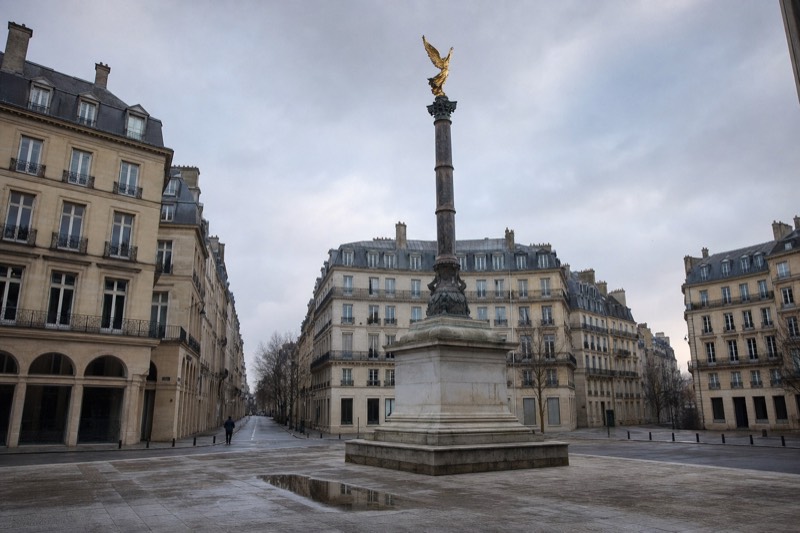
What Do People Do In Paris For Fun?
What Parisians and visitors actually do for fun in Paris without spending money: parks, quays, free walking tours, night openings and the free events that fill the calendar.
 By Julien Moreau, Paris Free Experiences Specialist and Local City Guide
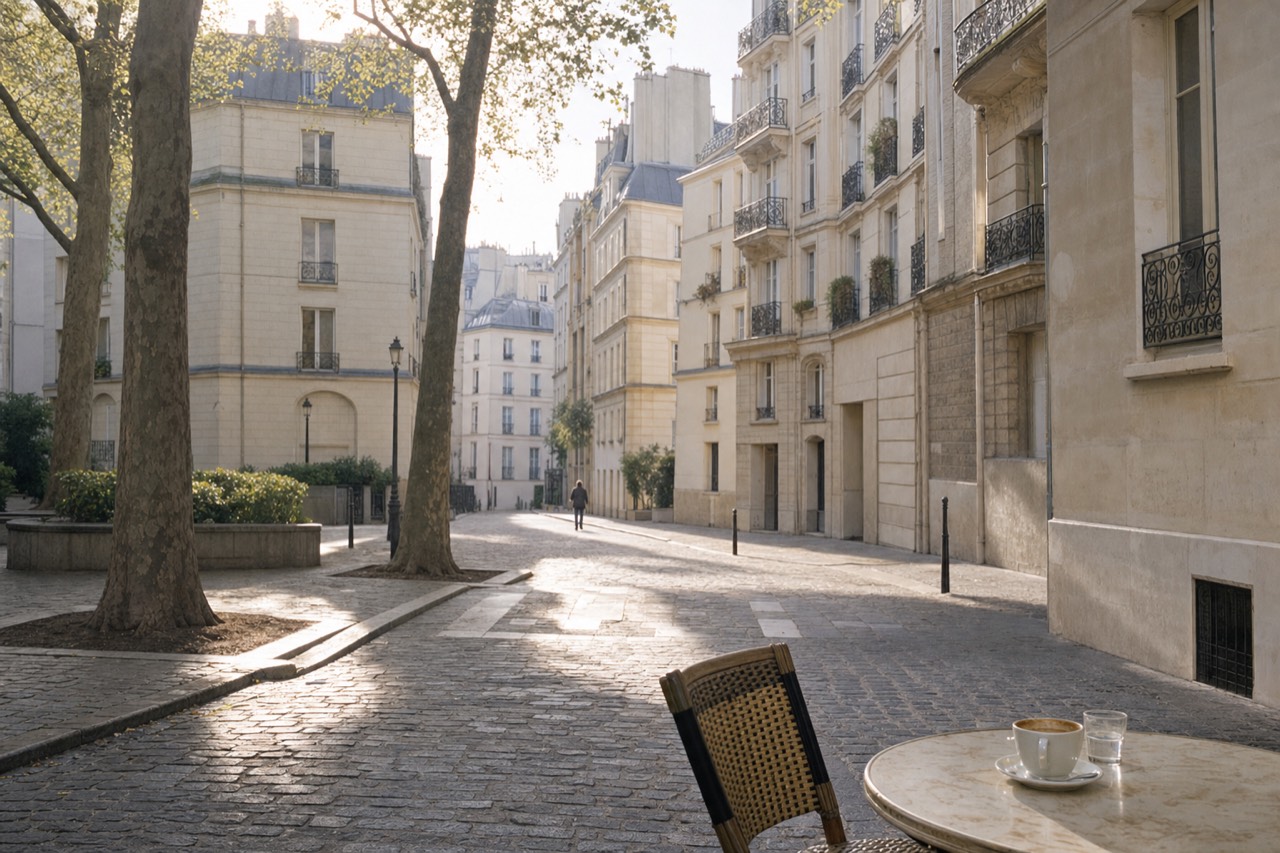
What Do People Do In Paris For Fun?
The honest answer is simple: they slow down. Parisians picnic in parks, lounge on the Seine quays, sit at cafe terraces watching the street, and join the free festivals that run almost every month, from the Fete de la Musique in June to the Fete des Vendanges in October. Visitors add the monuments, but the fun itself, the part locals actually defend, is mostly free.
Ask Parisians themselves and the answer rarely involves a ticket. A thread on a Paris travel forum in September 2025, which drew 279 upvotes, argued that the best free thing in Paris is simply sitting in a park or at a cafe and people-watching rather than packing in monuments. Commenters, including a self-identified Parisian, agreed. That is the local baseline, and everything else in this article builds on it.
The city backs this up with infrastructure. Paris maintains more than 550 parks, gardens and squares, and about one quarter of them are open 24 hours a day, all year (checked September 2026), according to the City's own night-opening page. The Seine banks have been redeveloped as a continuous riverside park. Eleven of the fourteen City museums keep their permanent collections free every opening day. And the pay-what-you-want walking tour scene, run by independent local guides and listed on GuruWalk, has grown into one of the most popular ways for visitors to have fun while learning something.
If you want the short version of a fun, cheap Paris day, here are three walks other visitors rate highly, all free to book with a tip at the end:
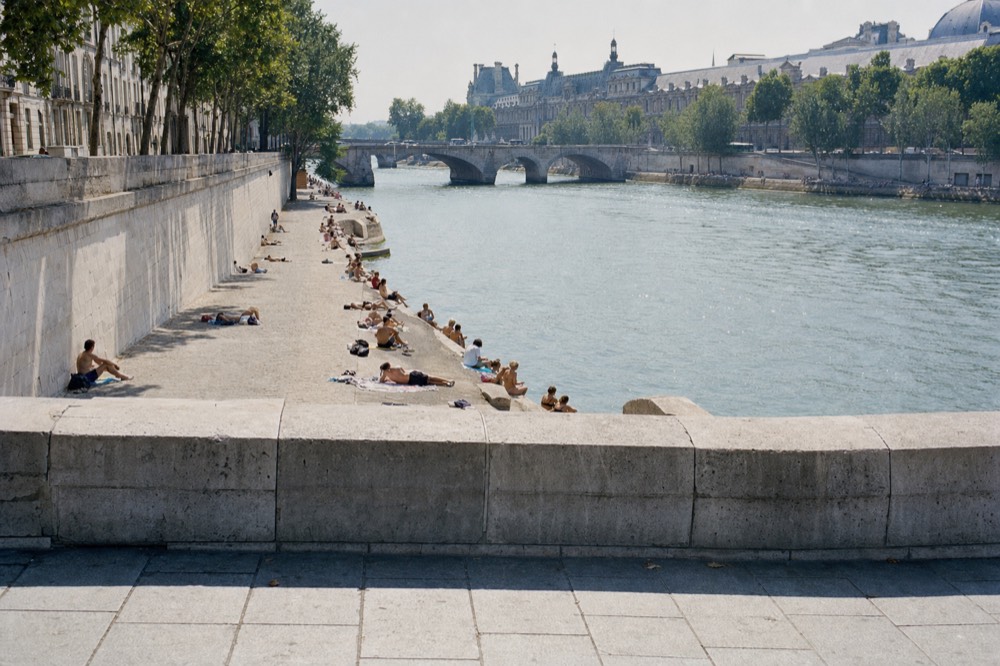
How Do Locals Spend A Free Afternoon In Paris?
A typical free Paris afternoon runs roughly like this: a morning coffee standing at the zinc counter, a long walk through one or two neighbourhoods rather than a sprint between monuments, a picnic or a market lunch, then hours in a park or on the riverbank. Locals treat the city itself as the entertainment, and the infrastructure, from free museums to free drinking fountains, is built for exactly that.
The picnic is the classic. It is expressly allowed in City of Paris parks on the condition you leave the place clean, though the City's own regulation forbids drinking alcohol there, so keep the wine for a licensed terrace. A supermarket classic baguette runs roughly 0.28 to 0.45 EUR, against an artisan tradition at about 1.32 EUR on average in Paris (checked September 2026), so the whole lunch costs less than a single museum ticket. The Champ de Mars lawn in front of the Eiffel Tower is the famous spot, though the large lawns are often fenced for regrowth in late winter and the fences usually come off around April or early May.
The quays come next. The Parc Rives de Seine, the pedestrianised riverbank from the Tuileries tunnel to the Pont de Sully, is free to walk and lounge on, and in summer it hosts Paris Plages, the free beach festival that in 2026 ran from 4 July to 30 August with deckchairs, parasols and misting at no charge. Swimming in the Seine itself became a real thing: three lifeguarded sites operated free of charge from 4 July to 30 August 2026, and more than 180,000 people used the Seine, Canal Saint-Martin and Bassin de la Villette bathing sites over the summer, a record (checked September 2026).
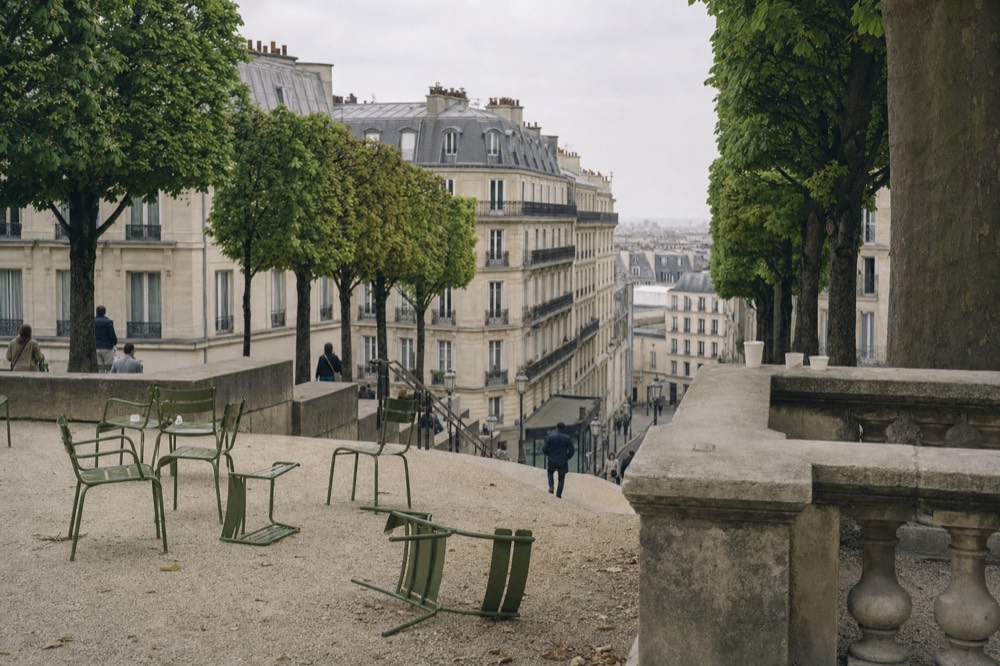
Then there is the park circuit locals actually argue about. A 2025 thread of residents and repeat visitors produced a shortlist: the Jardin du Luxembourg, Parc Monceau, the Palais-Royal garden, the Promenade Plantee, Parc de Sceaux on RER B and Georges Brassens, plus the Parc Floral, which is free only from 1 October to 31 March and charges entry in summer, with Place des Vosges named as a winter favourite. The Luxembourg is run by the Senate rather than the City, stays free, and in summer 2026 hosted about twenty free exhibitions on its railings and at the Orangerie, a free-culture detail almost no visitor notices. If you are planning a fuller park itinerary, our guide to free parks and gardens in Paris covers the whole network.
Here is how a free afternoon can be assembled, piece by piece:
| Activity | Where | Cost | The catch |
|---|---|---|---|
| Picnic | Champ de Mars, Canal Saint-Martin quays, any City park | Baguette from about 0.28 EUR in a supermarket (checked September 2026) | Alcohol is forbidden in City parks |
| Riverside lounging | Parc Rives de Seine | Free | Busiest on weekend afternoons |
| Free museum permanent collections | Petit Palais, Carnavalet, Musee d'Art Moderne and eight other City sites | Free every opening day | Temporary shows inside are ticketed |
| People-watching | Any cafe terrace or park chair | Price of one drink | Terrace prices near monuments run high |
| Free sparkling water | 17 public fountains, including Parc Montsouris and Jardin d'Eole | Free | Some are out of service at times |
Which Free Walking Tours Are The Most Fun In Paris?
The most fun free walking tours in Paris are the neighbourhood walks run by independent local guides and listed on GuruWalk: a centre walk from the Hotel de Ville, an art-and-bohemia route through Montmartre, a Latin Quarter walk from the Saint-Michel fountain, and a scandals-and-stories tour of Pere Lachaise cemetery. Booking is free, and you pay the guide what you want at the end.
The model matters for fun-seekers because it removes the risk. A free walking tour run by an independent local guide, listed on GuruWalk, costs nothing to reserve. There is no fixed price, and at the end each walker gives the guide what they think the walk was worth. That means a visitor can try two or three different neighbourhoods in one trip without committing a euro in advance.
The historic centre is the natural start. The Walkative! Centre Walk, 9 Stops, rated 4.73 across 2,538 reviews on GuruWalk, runs 2 hours and 15 minutes in English from the Hotel de Ville (checked September 2026). The Bilingual Centre Walk, 9 Stops, rated 4.9 across 2,481 reviews, covers similar ground from the Fontaine Saint-Michel in English and Spanish. These are the walks that turn the Ile de la Cite, the Chatelet district and the Louvre's outer courtyards from a sightseeing gauntlet into a story.
Montmartre is the fun one, and the most crowded. The Bilingual Art and Bohemia Walk holds a 4.97 rating across 1,001 reviews on GuruWalk, 2 hours and 30 minutes in English and Spanish (checked September 2026). The Walkative! Montmartre walk, 4.72 across 1,484 reviews, runs 2 hours and 15 minutes from Blanche. One caution: the Mur des Je t'aime, the "I love you" wall that appears on nearly every free-things listicle, has been closed behind barriers since early March 2026 after the structure weakened (checked September 2026). Plan the photo stop elsewhere.
The Latin Quarter is the third classic. The Majestic Latin Quarter walk, rated 4.95 across 395 reviews on GuruWalk, runs 2 hours in English from the Fontaine Saint-Michel (checked September 2026), and the Pantheon and Roman Ruins Walk, 4.81 across 199 reviews, adds the arena and the ancient layers most visitors walk straight past (see Is The Pantheon In Paris Free?). For a deeper comparison of the whole scene, including which walks suit which travellers, see free walking tours in Paris.
What Do People Do In Paris For Fun At Night?
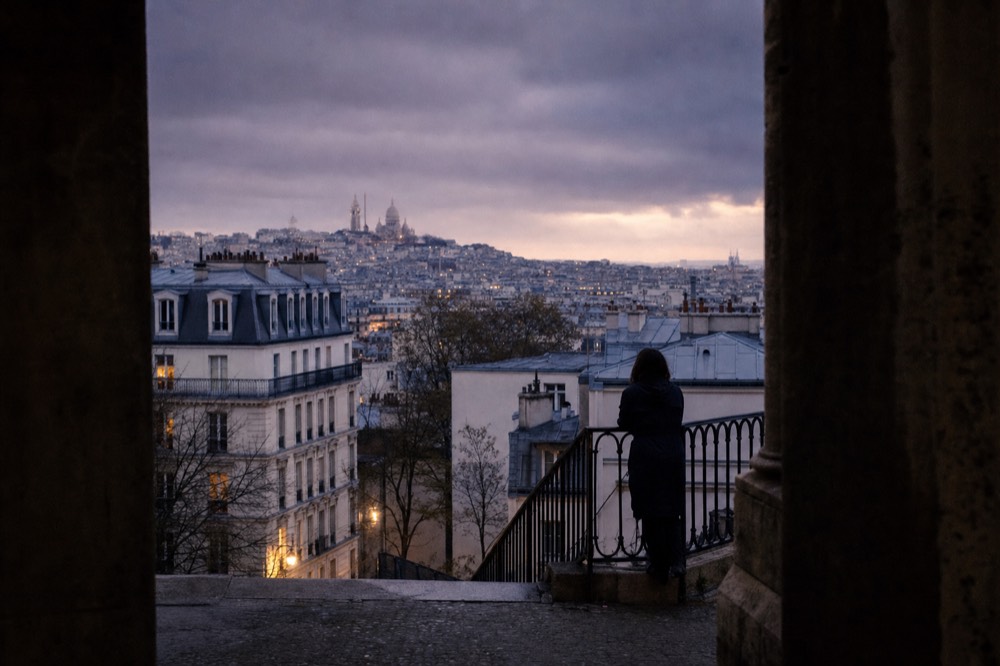
At night, Parisians head to the 24-hour parks, the open-late basilica, free outdoor cinema and the big free festivals. Sacre-Coeur stays open until 22:30 every single day of the year with free admission, about a quarter of City parks never close at all, and in summer the city runs free open-air cinema and free stargazing sessions in 21 parks.
The night-time free scene is bigger than most guides admit. The Basilique du Sacre-Coeur is open every day of the year from 06:30 to 22:30 and admission is free for everyone (checked September 2026), which makes it one of the latest-open major interiors in Paris. The basilica's own crowd note says to expect a 10 to 15 minute wait to enter between 10:30 and 17:00, so the evening is genuinely the calmer time.
The parks are the other half of the answer. About one quarter of the 550-plus City-managed parks, gardens and squares are open 24 hours a day all year (checked September 2026), per the City's nocturne page, though the state-run gardens, the Tuileries, the Luxembourg, the Palais-Royal and the Jardin des Plantes among them, all close. In the summer 2026 heatwave the City kept most parks open all night with a named exception list, and in a normal summer it runs a late-opening scheme keeping a set of gardens open until midnight through July, August and early September.
Then the calendar takes over. The open-air cinema at La Villette ran 22 July to 16 August 2026, free to watch with no reservation, with the main screening at 21:00; the film is free and only the deckchair costs 6 EUR (checked September 2026). Paris sous les etoiles, the free stargazing programme run by the French astronomy association, held sessions from 21:00 to 01:00 in 21 parks in 2026, including the Arenes de Lutece and Parc Georges Brassens. Nuit Blanche, the all-night art festival, is now a June event, not the October one older guides describe: the 2026 edition ran on the night of 6 June across Paris and the wider metropolis, free and mostly without booking. Our free things to do in Paris at night guide collects the full evening playbook.
What Free Events Fill The Paris Calendar?
The Paris fun calendar is stacked with free events: the Fete de la Musique on 21 June with free concerts citywide, Nuit Blanche in June, Paris Plages and Seine swimming in July and August, the Techno Parade in September, Heritage Days on the third weekend of September, and the Fete des Vendanges in Montmartre in October. Almost every month has at least one.
The Fete de la Musique is the biggest. Every 21 June, under a national rule, concerts across France are free to the public and musicians play as volunteers. In 2026 the transport pass for the night cost 4.30 EUR, discounted but not free, with five RER lines and six metro lines running late (checked September 2026) (see Is Public Transport Free In Paris?). Visitors regularly stumble into street raves without knowing the day had a name.
Heritage Days, the Journees europeennes du patrimoine on 19 and 20 September 2026, open buildings that are locked the rest of the year. The Arc de Triomphe was free until 23:00 on those days, walk-up, no booking. The star sites like the Elysee palace go in minutes, so book the moment registration opens. The Techno Parade returned on 19 September 2026 after two skipped years, free and open. And the Fete des Vendanges de Montmartre, the grape-harvest festival around the last surviving vines in Paris, runs 7 to 11 October 2026, with the official programme free and the grand parade on Saturday 10 October (checked September 2026), per the festival's own site.
| Month | Free event | What it is | Booking |
|---|---|---|---|
| June | Fete de la Musique (21st) | Free concerts citywide, all day and night | None |
| June | Nuit Blanche | All-night contemporary art trail | Mostly none |
| July-August | Paris Plages and Seine swimming | Free beach festival and three lifeguarded swim sites | Swim sites capped by capacity |
| July-August | Cinema en plein air, La Villette | Free open-air film screenings | None, deckchairs paid |
| September | Techno Parade and Heritage Days | Free street parade; free monument openings | Some sites need booking |
| October | Fete des Vendanges de Montmartre | Grape-harvest festival, parade and tastings trail | Some workshops advised to book |
Where Do Parisians Go When They Want Something Different?
When the centre feels worn out, locals head for the 13th arrondissement's Chinatown and street-art murals, the Pere Lachaise cemetery on a free guided scandals walk, and the thermal spa town of Enghien-les-Bains just north of the city, all reachable without a tour budget. The 13th and Enghien both have their own free walking tours, run by independent local guides and listed on GuruWalk.
The 13th arrondissement is the city's large-mural district, with the biggest street art concentrated along Boulevard Vincent Auriol, Rue Jeanne d'Arc and the Butte-aux-Cailles, free to walk at any hour. It also holds Europe's largest Chinatown, and the Chinatown and Street Art walk, run in English and Spanish by an independent local guide and listed on GuruWalk, covers both in 2 hours, rated 4.94 across 16 reviews (checked September 2026). It is a side of Paris that monument-focused itineraries never touch.
Pere Lachaise cemetery is the other classic detour. The cemetery itself is free to enter, and the Pere Lachaise Scandals walk, in English, rated 4.96 across 96 reviews on GuruWalk and 2 hours and 15 minutes long, turns the graves into stories (checked September 2026). It meets at the cemetery's main gate on Boulevard de Menilmontant.
Enghien-les-Bains is the wildcard. It is a thermal spa town on a lake, roughly half an hour by train from central Paris, and the closest thing the capital has to a seaside resort. The Small-Group Enghien walk, capped at 8 people and listed on GuruWalk, is a free walking tour of the town, its lakefront and its casino quarter, run in English and Spanish, rated 4.94 across 17 reviews and about 1 hour and 45 minutes long (checked September 2026). The meeting point is confirmed when you reserve a place. As a day trip it is the rare Paris outing that feels like leaving Paris without the cost of one.
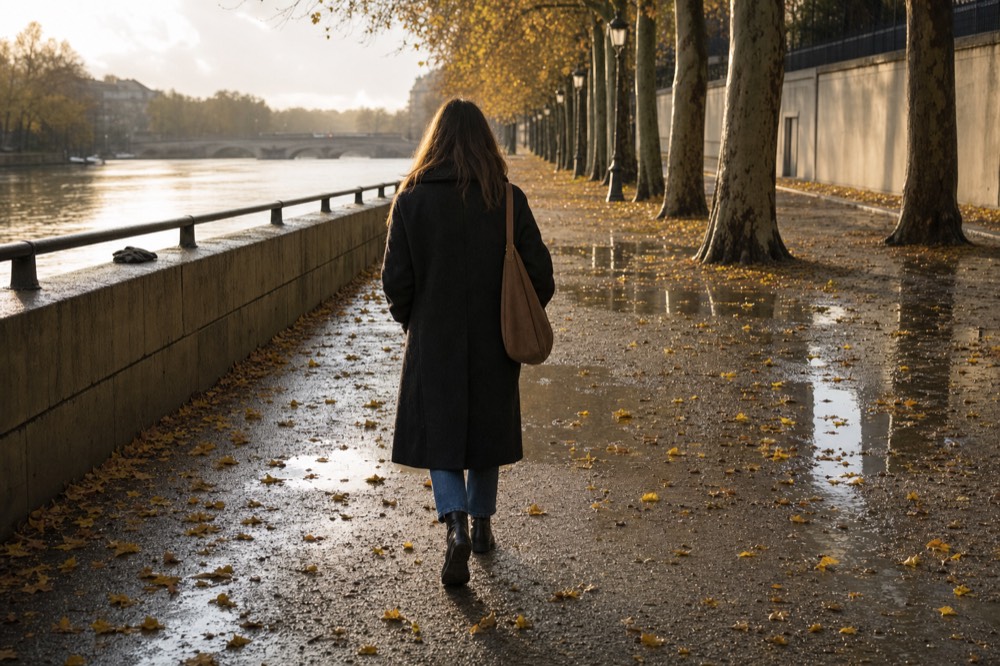
That is the pattern across this whole article, and it is the pattern Free Things To Do In Paris is built on: the fun in Paris is not locked behind ticket desks. It sits in parks, on quays, in free museums, in June art nights and October grape festivals, and in walks where the price is whatever you decide at the end. If you are weighing up one of these walks for your own trip, here are the three most distinctive options again:
These are the questions visitors ask most often about having fun in Paris without spending money, answered from the same verified sources as the rest of this article. Each one gets a short, direct answer below: what the fun actually is, what it costs, when it runs and what the catches are, from Seine swimming rules to picnic regulations and the pay-what-you-want walking tour model.
Common Questions About Fun In Paris
What do people do in Paris for fun?
They picnic in parks, lounge on the Seine quays, sit at cafe terraces, join free walking tours, and turn out for the free festivals that fill the calendar, from the Fete de la Musique in June to the Fete des Vendanges in October. Most of it costs nothing: the parks, the riverbank, eleven City museum permanent collections and the pay-what-you-want walks are all free.
Do I have to pay anything when I book a free walking tour?
No. Booking a free walking tour listed on GuruWalk takes no card and no deposit. The walk is free, and you pay what you want at the end, giving the guide what you think the walk was worth. Some guides accept card payments as well as cash.
What is fun to do in Paris at night for free?
Sacre-Coeur is open until 22:30 every day with free entry, about a quarter of City parks are open 24 hours, and in summer there is free open-air cinema at La Villette and free stargazing sessions in 21 parks. Nuit Blanche, the all-night art festival, now runs in June.
Can you swim in the Seine?
Only at the fenced, lifeguarded sites, and only while the summer season runs. In 2026 three sites operated free of charge from 4 July to 30 August, with daily water testing and capacity caps. Outside those sites and dates, swimming in the Seine is forbidden.
Is picnicking allowed in Paris parks?
Yes, picnics are expressly allowed in City of Paris parks as long as you leave the place clean, though groups of more than 30 need authorisation. Drinking alcohol is forbidden in City parks, so save the wine for a licensed terrace.
What is the cheapest way to see several neighbourhoods in one trip?
Book two or three free walking tours in different districts. Booking costs nothing, you pay only what you choose at the end of each walk, and a centre walk, a Montmartre walk and a Latin Quarter walk together cover more ground than any paid bus tour.