Cheap Things To Do In Paris: A Sourced Guide To Seeing The City For Almost Nothing
Paris got more expensive in 2026: the Louvre now charges non-European visitors 32 EUR and a single metro ride costs 2.55 EUR. The counterweight is a large free layer most guides underuse, and this page lays it out with real numbers.
 By Julien Moreau, Paris Free Experiences Specialist and Local City Guide
Short answer
The cheapest way to see Paris stacks three free layers: eleven City of Paris museums are free every opening day, the Louvre is free on first Friday evenings after 18:00 (next dates 2 October, 6 November and 4 December 2026), and pay-what-you-want walking tours cover the historic centre, Montmartre and the Latin Quarter. A realistic budget day runs 8 to 12 km on foot and costs under 20 EUR.
Paris did not get cheaper after the Olympics. INSEE's June 2026 figures show accommodation services up 6.3 percent year on year, while bread and cereals rose just 0.1 percent. That split is the honest shape of a cheap Paris trip in 2026: beds are the expensive part, and almost everything you actually do once you are there can cost close to nothing. The Louvre's new two-tier price, 22 EUR for European Economic Area residents and 32 EUR for everyone else since 14 January 2026 (checked September 2026), is the reason searches for free and cheap Paris activities have exploded, and it is also why the free alternatives matter more than they did two years ago (see What Is There To Do In Paris Around New Year's For Free?).
This page stacks the free layers in the order you would actually use them, with the current numbers attached. Where a figure can move, it carries a note of when it was checked. Nothing here is padded with the dead advice still circulating online: the carnet of ten metro tickets was abolished, the Orlybus and Roissybus no longer exist, and the Louvre has not had a first-Sunday free day in years.
What Are The Cheapest Things To Do In Paris?
The cheapest things to do in Paris are the free walking tours, the eleven City of Paris museums with free permanent collections, the parks and the free viewpoints, in that order of value. A pay-what-you-want walk costs nothing to book, the Petit Palais and the Musee Carnavalet cost nothing at all, and the Galeries Lafayette rooftop costs nothing but a queue.
The single best value in the city is the free walking tour model. These are walks run by independent local guides and listed on GuruWalk: booking takes no card and no deposit, and at the end each walker gives the guide what they think the walk was worth. There is no fixed price and no minimum. For a first-time visitor, two hours with a guide who knows the neighbourhood beats any paid bus tour, and it anchors the rest of your day in a district you then explore on foot for free.
The second layer is the municipal museum network. Paris Musees runs 14 sites, and eleven of them keep their permanent collections free every opening day, with no first-Sunday condition and no booking. The three exceptions are the Catacombes, the Crypte archeologique and the Palais Galliera. This every-day rule is better than any monthly free Sunday, and most competitor pages still present it backwards.
The third layer is the city itself. The Tuileries Garden is free, the Seine quays are free, about a quarter of the 550-plus City-managed parks stay open 24 hours, and the Galeries Lafayette rooftop terrace on the 8th floor is free during store hours (checked September 2026). Add free tap water from more than 1,300 drinking fountains, and the daily cash cost of sightseeing drops to coffee, food and metro tickets.
Can You See Paris' Historic Centre For Almost Nothing?
Yes, and the historic centre is the one district where a free guided walk beats wandering. Nine central stops from the Hotel de Ville to the Seine can be covered in about two hours with a local guide for whatever you choose to pay, and the walk's meeting points sit inside a walkable cluster of free sights including Notre-Dame, the Conciergerie's exterior and the Pont Neuf.
The centre is dense enough that a bad route wastes an hour and a good one wastes nothing. The Bilingual Centre Walk, 9 Stops is a free walking tour run by an independent local guide, listed on GuruWalk, rated 4.9 across 2,481 reviews (checked September 2026), running 2 hours and 15 minutes in English and Spanish and meeting at the Fontaine Saint-Michel. It costs nothing to reserve a place, and you pay what you want at the end.
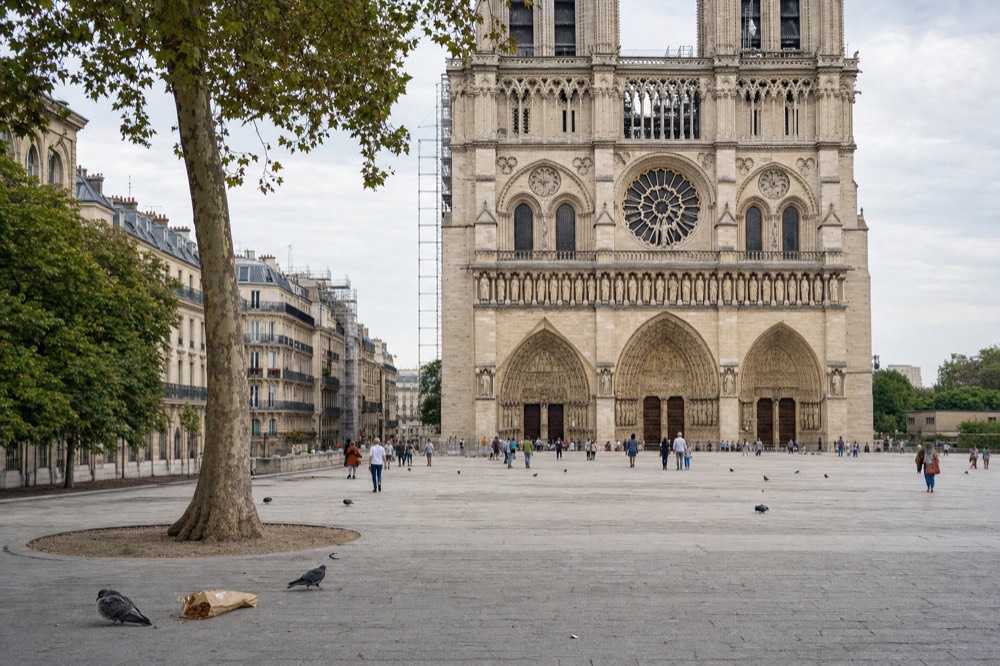
Notre-Dame itself is free to enter, and the cathedral's own site warns in French that paid entry tickets are counterfeit and entry is 100 percent free. Reservation is optional, free, and only opens a day or two ahead. Anyone selling a Notre-Dame fast-track ticket is reselling something the cathedral gives away, a scam The Times reported costing tourists up to 60 EUR.
If you prefer a different pace, the Walkative! Centre Walk, 9 Stops covers similar ground in English: 4.73 across 2,538 reviews, 2 hours and 15 minutes, meeting at the Hotel de Ville (checked September 2026). It is the same free model, a different guide and a different route. Booking a spot costs nothing, and the meeting point is confirmed when you reserve a place.
A third centre option starts higher up: the Every-Side Centre Walk, 7 Stops begins at Charles de Gaulle-Etoile and works down through 2 hours and 30 minutes, rated 4.96 across 476 reviews (checked September 2026). Starting at the Arc de Triomphe lets you see the Tomb of the Unknown Soldier first, which is free to reach without the terrace ticket, then walk the Champs-Elysees downhill into the paid-museum district knowing what you do and do not want to enter.
What Does A Cheap Day In Paris Actually Cost?
A realistic cheap day in Paris costs between 10 and 25 EUR per person excluding lodging: 12.30 EUR for a Navigo Jour unlimited travel pass or a handful of single tickets, 1 to 3 EUR for coffee standing at a counter, 5 to 9 EUR for a bakery lunch, and nothing at all for the sights if you stack the free layers correctly.
The transport decision is where most budgets leak. A single metro-train-RER ticket costs 2.55 EUR, and there is no discounted ten-pack any more, so ten rides cost 25.50 EUR (checked September 2026). The Navigo Jour at 12.30 EUR covers unlimited travel across all zones for one day, airports excluded. If you are walking 8 to 12 km, as a central sightseeing day realistically demands, you may only need two or three rides, and single tickets win. Zoom out from single tickets to the whole weekend budget and the same logic holds, because the bed decides the budget, the food flexes it, and almost everything worth seeing can cost nothing (see Weekend In Paris Cost).
| Cost | Item | 2026 figure (checked September 2026) |
|---|---|---|
| 2.55 EUR | Single metro, train or RER ticket, any distance in Ile-de-France | No carnet discount exists |
| 12.30 EUR | Navigo Jour, unlimited one-day travel, all zones | Airports excluded |
| 14.00 EUR | Airport ticket, RER B to CDG or line 14 to Orly | Replaces all old cheap airport fares |
| 1.20 to 1.50 EUR | Espresso standing at the counter | 4.50 to 7.00 EUR on a tourist terrace |
| 1.32 EUR | Average Paris baguette tradition | 0.45 EUR for a supermarket classic |
| 0 EUR | Eleven City of Paris museums, permanent collections | Every opening day, no booking |
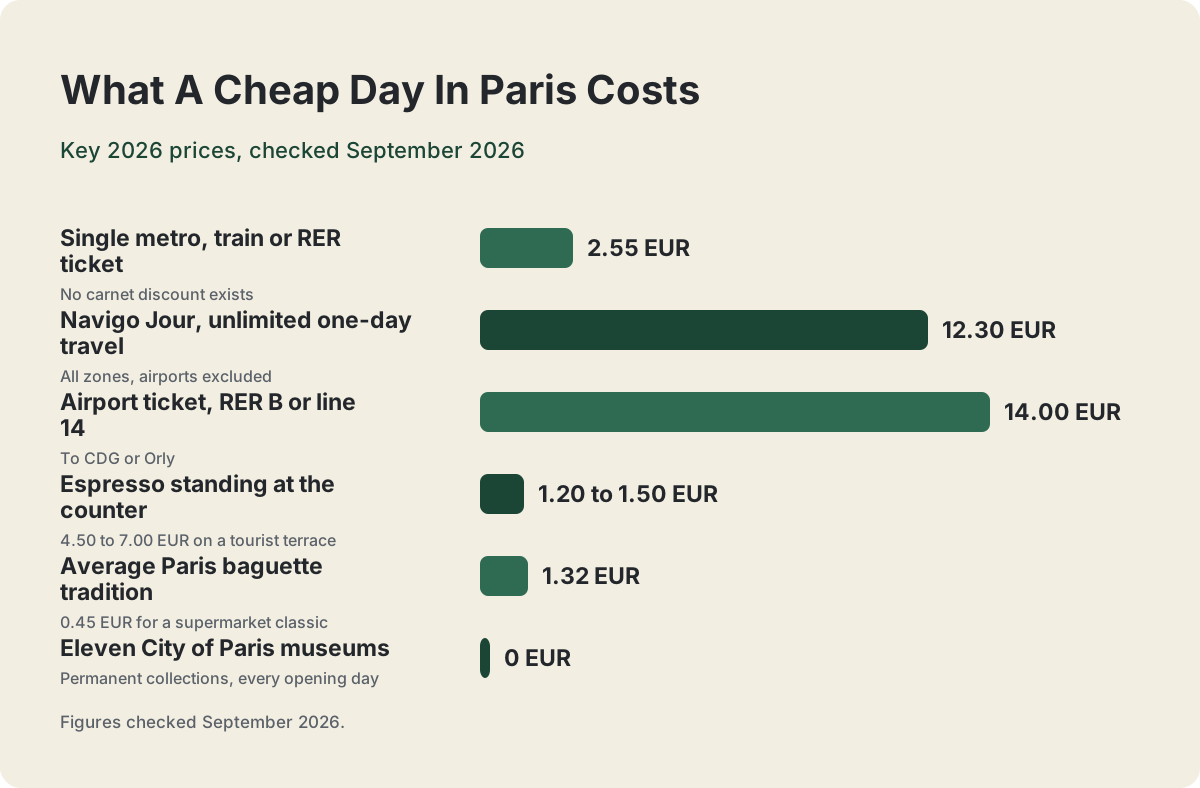
Coffee is the clearest small illustration of how the same product is priced three ways. A 2026 price guide puts an espresso at 1.20 to 1.50 EUR standing at the zinc counter, 2.00 to 3.00 EUR at a neighbourhood table, and 4.50 to 7.00 EUR on a tourist terrace; the Cafe de la Paix summer 2026 terrace menu lists an espresso at 7 EUR (checked September 2026). French law requires both the counter and seated tariffs on the menu, so the price is never a surprise, only a choice.
Once the day's arithmetic is clear, the question becomes how to spend the sightseeing hours, and the free walks are the anchor most budget travellers choose first.
Is The Louvre Ever Free, And When?
The Louvre is free for everyone on the first Friday of the month after 18:00, except in July and August, and booking that evening is mandatory through the museum's own nocturne page, with slots released only days ahead. The remaining 2026 dates are 2 October, 6 November and 4 December. There is no first-Sunday free day, in any season, and has not been for years.
This is the single most-repeated error in Paris travel content, and the official Paris tourist board says so in as many words in its own FAQ. The free evening is real but tight: tickets appear on the museum's dedicated nocturne booking page only a few days before each date and go fast, as visitor threads in August 2026 confirmed when September's slots went live. Under-18s of any nationality and 18 to 25 year olds who are EEA citizens or residents get in free every day, and the two-tier adult price, 22 EUR EEA against 32 EUR non-EEA since 14 January 2026, applies otherwise (checked September 2026).
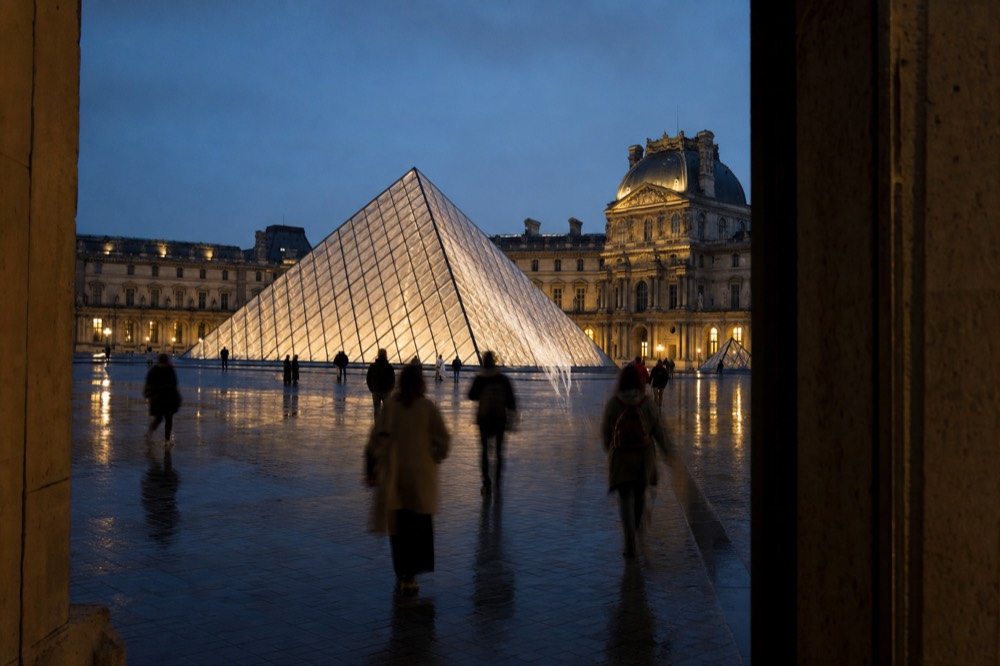
Even without entering, the Louvre complex gives a free hour: the Cour Napoleon is open 07:30 to 22:00 and the Cour Carree to 19:45, and the Tuileries Garden is free with two free public toilets inside. The whole question of free routes into the museum, including the under-26 rules and the booking choreography, is answered in full on our dedicated Louvre page, and the monthly calendar of every free museum day in the city is laid out separately.
Which Museums In Paris Are Free Every Single Day?
Eleven of the fourteen Paris Musees sites keep their permanent collections free every opening day, with no booking and no conditions: the Petit Palais, the Musee Carnavalet, the Musee d'Art Moderne, the Musee de la Vie Romantique and seven more. Only the Catacombes, the Crypte archeologique and Palais Galliera charge, and temporary exhibitions inside the free buildings are ticketed.
The Petit Palais is the easiest win: free permanent collections, no reservation, Tuesday to Sunday 10:00 to 18:00, last entry to the permanent collections at 17:15 (checked September 2026). The Musee Carnavalet, the city's history museum in the Marais, is equally free with no booking. The Musee d'Art Moderne keeps a free Thursday late opening of its permanent collections until 21:30, a detail generic lists miss.
| Museum | Permanent collections | Booking | Hours (checked September 2026) |
|---|---|---|---|
| Petit Palais | Free | None | Tue to Sun 10:00 to 18:00 |
| Musee Carnavalet | Free | None | Tue to Sun 10:00 to 18:00 |
| Musee d'Art Moderne | Free | None | Thu late to 21:30 |
| Musee de la Vie Romantique | Free | None | Tue to Sun 10:00 to 18:00 |
| Musee Curie | Free | None | Wed to Sat 13:00 to 17:00 |
Two cautions keep this list honest. The Maison de Victor Hugo, normally free, is charging for everything including its permanent collection from 11 June to 22 November 2026 for an exhibition, at 11 EUR full price. And the Musee de la Vie Romantique, which reopened on 14 February 2026 after a 3.8 million euro renovation, closes its temporary shows behind tickets even though the collections are free. The full picture, including the national museums' first-Sunday schemes and their very different booking rules, is in our Free Museums In Paris guide.
What Is Free Or Cheap In Montmartre?
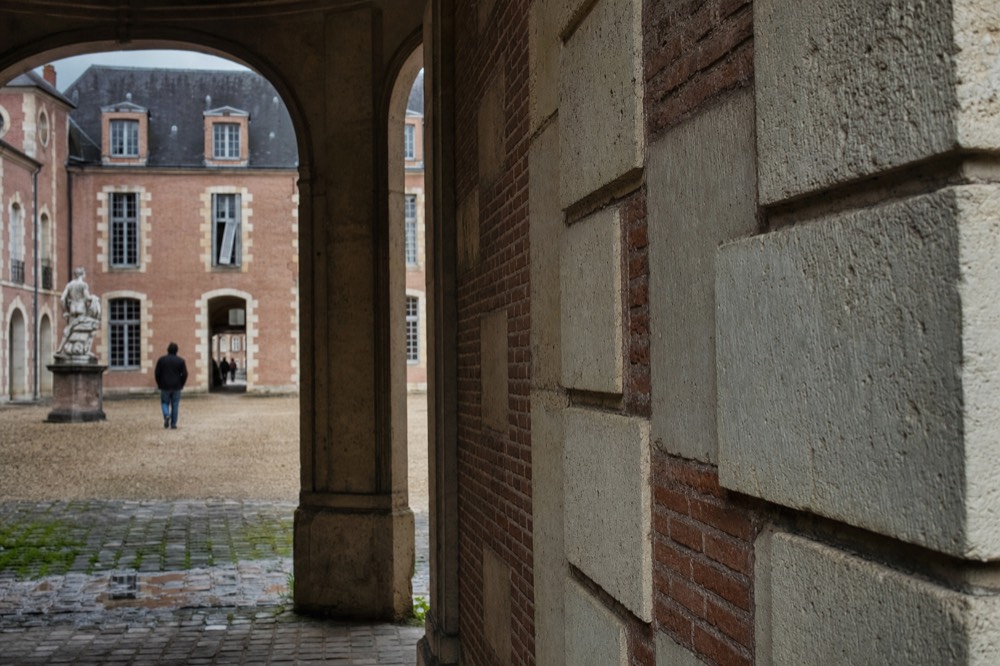
Montmartre's free core is the Sacre-Coeur basilica itself, open 06:30 to 22:30 every day with free admission, plus the views from the top of the hill and the back streets behind it. The paid traps cluster around the funicular, which costs 2.55 EUR, and the dome climb at 8 EUR, both of which are skippable, and the roughly 400 steps beside the funicular are free.
The basilica's own crowd note says to expect a 10 to 15 minute wait to enter between 10:30 and 17:00 (checked September 2026), so early morning or evening visits are calmer and the evening hours make it one of the few grand Paris interiors open late for free. One warning for listicle followers: the Mur des Je t'aime, the "I Love You" wall in Square Jehan Rictus, has been closed since early March 2026 after the structure weakened, and it sits behind barriers.
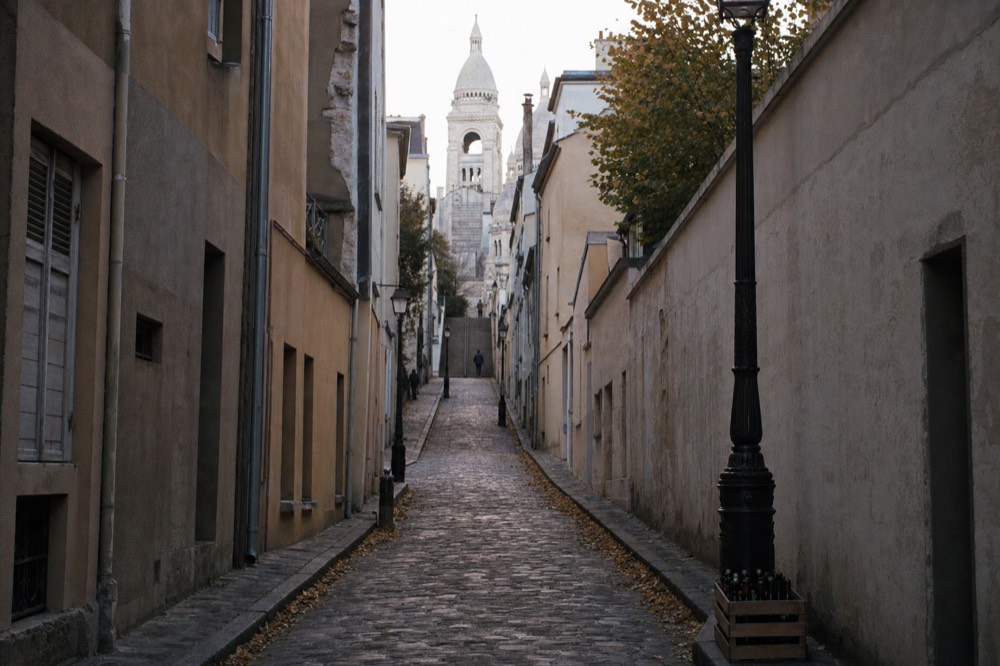
A free walking tour is the cheapest way to find the village behind the postcard. The Martyrdom-to-Love walk, bilingual in English and Spanish, runs 2 hours and 15 minutes and is rated 4.94 across 623 reviews (checked September 2026); it is a free walking tour run by an independent local guide, listed on GuruWalk, and you pay what you want at the end. Meeting at 2 Rue Yvonne le Tac, it covers the martyrdom and love stories that shaped the Butte, from Saint Denis to the artists' squats.
The rest of a Montmartre day costs what you choose. The vineyard of the Clos Montmartre can be seen from the street for free, and the Fete des Vendanges in October fills the hill with free parades and tastings. More free and cheap ideas for the district are collected in Free Things To Do In Montmartre.
How Do You Do The Latin Quarter On A Budget?
The Latin Quarter is the cheapest of the three great districts because its free layer is deepest: Roman ruins under the Arenes de Lutece, the free Jardin du Luxembourg, the Pantheon's exterior, the free Saint-Severin and Saint-Etienne-du-Mont churches, and the newly opened Jardins du Val-de-Grace, all within a 20-minute walk of each other.
The Jardins du Val-de-Grace opened to the public in late January 2026 on the site of the former military hospital in the 5th arrondissement, with 429 trees in total across the site, a genuinely new free garden that no older guide can list. The Jardin du Luxembourg is free too, run by the Senate, with hours that shift twice a month with sunset and free exhibitions on the railings during its summer programme.
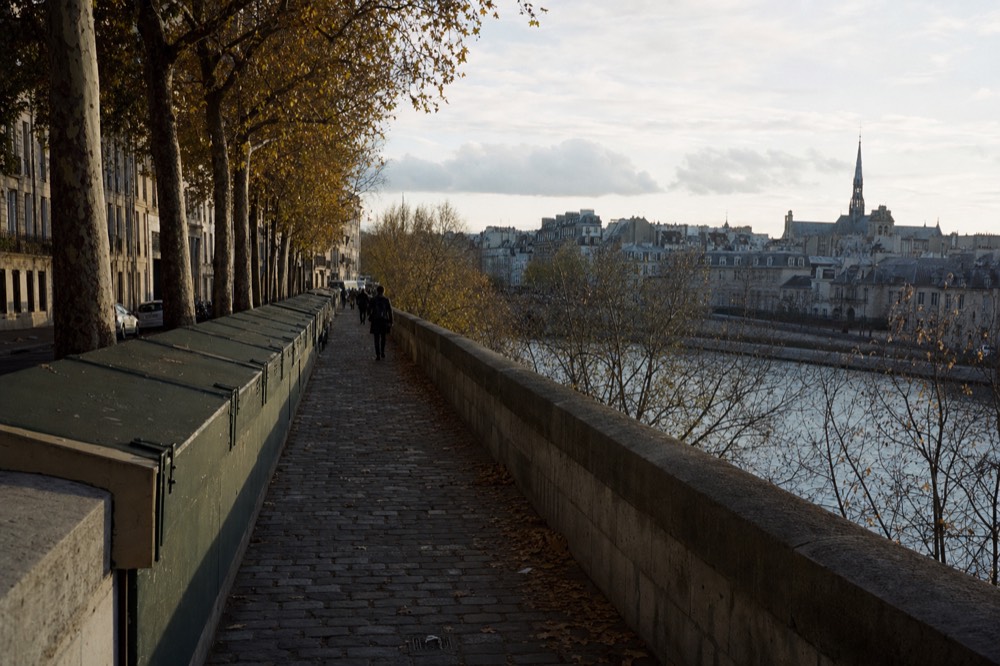
The Pantheon itself is not free for adults: 16 EUR from April to September, 13 EUR on Wednesdays and October to March, with free first Sundays in January, February, March, November and December (checked September 2026). Looking at it from Place du Pantheon costs nothing, and the free Roman-layer walk below the hill explains the district better than the monument does. Our full neighbourhood page covers the district's churches, ruins and gardens in detail.
What Are The Best Free Viewpoints In Paris?
The best free viewpoints are the Galeries Lafayette rooftop terrace on the 8th floor, free during store hours with no ticket, the Institut du Monde Arabe terrace with its view of Notre-Dame's apse, the Parc de Belleville belvedere, and the Sacre-Coeur forecourt. The paid alternative that older guides recommended, the Tour Montparnasse observatory, closed on 31 March 2026 for a multi-year renovation.
The Galeries Lafayette terrace needs a caveat the store's own pages create: the French and English pages disagree on closing time, 19:30 against 20:00, so plan for the earlier close (checked September 2026). The Institut du Monde Arabe terrace is free, Tuesday to Sunday 10:00 to 18:00, and looks straight at the back of Notre-Dame. Both cost nothing and both outclass several paid observation decks.
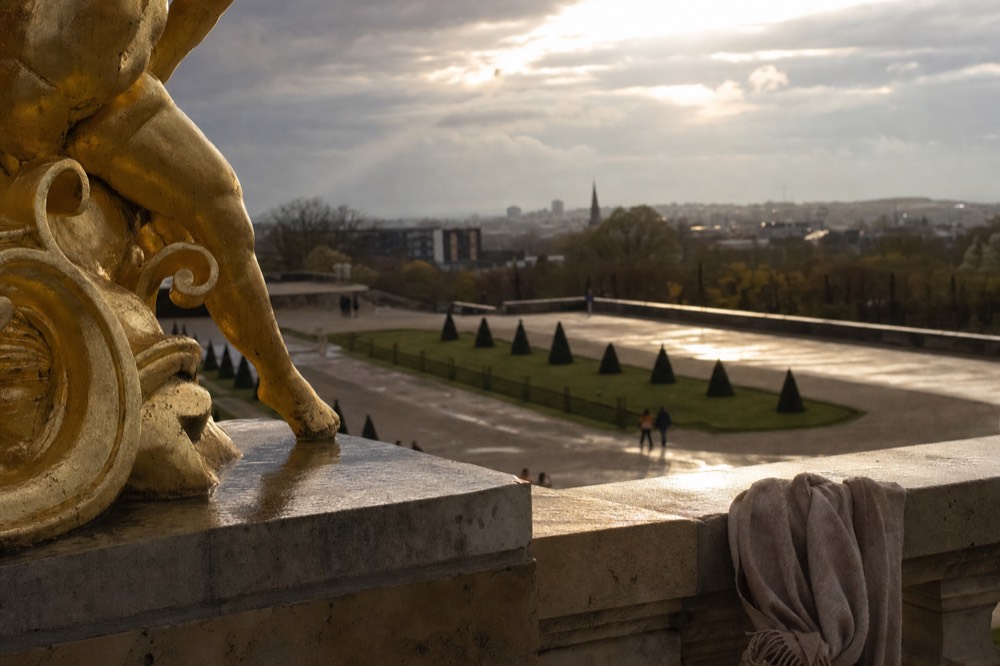
Two corrections to common advice. The BHV Marais rooftop is not a free viewpoint in 2026: it is a paid South American bar and restaurant, cocktails roughly 9 to 18 EUR. And the Printemps rooftop is not supported by the store's own pages, which list only restaurant and bar terraces, so we do not list it. Free views in Paris are real and plentiful, but only where the operator itself says so.
How Do You Eat And Drink Cheaply In Paris?
Eat the picnic layer: a supermarket classic baguette at 0.45 EUR or a Paris tradition at 1.32 EUR on average, filled with cheese from a shop, eaten in a park, with tap water from a public fountain. Ask for "une carafe d'eau" in any cafe and it is free by law for a customer consuming on the premises, and Paris has more than 1,300 free drinking fountains plus 17 that dispense sparkling water.
The water law is precise. Article L541-15-10 of the Environmental Code obliges restaurants, cafes and bars to tell customers they may ask for free drinking water, cool or at room temperature, and to supply it, with refusal punishable by a fine of up to 3,000 EUR for an individual. The condition, per the DGCCRF, is that you are consuming on the premises: a passer-by who orders nothing is not covered. Paris tap water itself costs 4.23 EUR per cubic metre from 1 January 2026, roughly 0.004 EUR a litre, so the fountain network is the cheapest consumable in the city.
| Cheap-eating tactic | 2026 cost (checked September 2026) | Where the figure comes from |
|---|---|---|
| Supermarket classic baguette | 0.45 EUR, from 0.28 EUR in discount chains | Que Choisir survey of nearly 10,000 baguettes |
| Paris baguette tradition, average | 1.32 EUR | 2026 survey of thousands of bakeries, 20 Minutes |
| Neighbourhood sandwich | 6.80 to 11 EUR | March 2026 Paris sandwich survey |
| Espresso at the counter | 1.20 to 1.50 EUR | 2026 Paris price guide |
| Crous student cafeteria sandwich | 3.60 EUR, tourists cannot use it | Crous Paris 2025-26 tariff |
| Free sparkling water | 17 fountains citywide | City of Paris and Eau de Paris |
Picnics are expressly allowed in City of Paris parks as long as the place is left clean, though the City's own regulation forbids drinking alcohol there, and groups over 30 need authorisation. The Promenade Plantee, the elevated garden walkway built on a disused railway viaduct, is one of the best free picnic-and-walk combinations in the city and costs nothing from end to end.
What Is The Cheapest Way To Get Around Paris?
Walking is the cheapest way around Paris and often the fastest in the centre: the Louvre to Notre-Dame is about 1.5 km or 20 minutes, Notre-Dame to the Latin Quarter about 500 metres, and a realistic sightseeing day is 8 to 12 km on foot. When you do ride, a Navigo Jour at 12.30 EUR beats Paris Visite at 30.60 EUR unless your day includes an airport run.
The 2025 fare reform killed the old cheap options. The carnet of ten ended in September 2023, the t+ ticket product ended on 1 January 2025, magnetic paper tickets stopped being sold in stations on 5 November 2025, and the Orlybus and Roissybus airport shuttles no longer exist (checked September 2026). What is left is simple: 2.55 EUR a ride metro-side, 2.05 EUR a ride bus-side, and the two products do not transfer between them, so using a metro ticket on a bus can draw a fine.
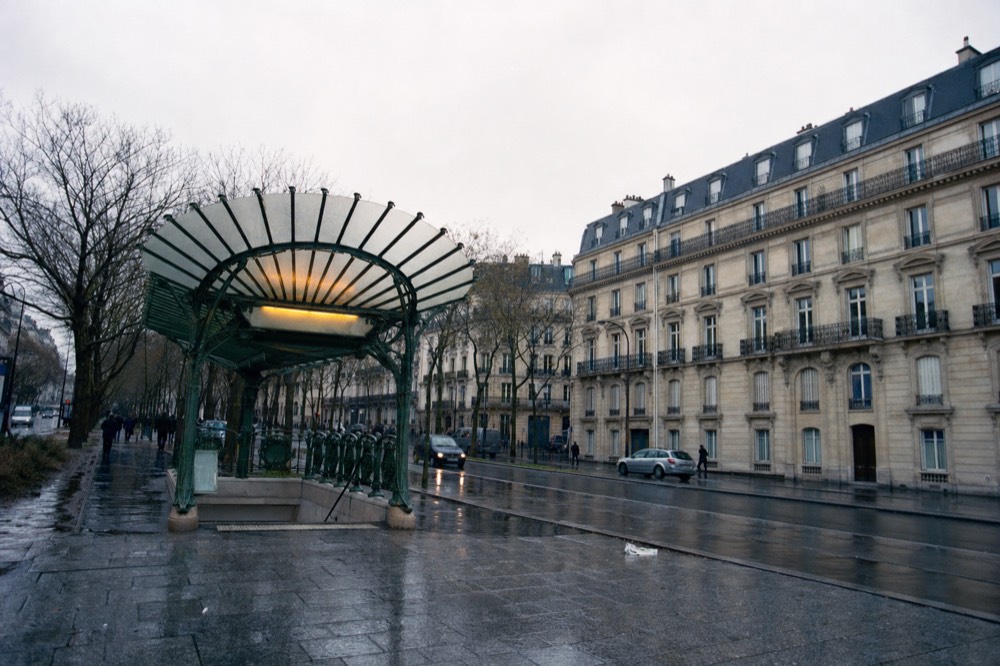
The arithmetic favours feet. Ten metro rides now cost 25.50 EUR because no ten-pack discount exists, against roughly 17 EUR for the old carnet. The Navigo Jour at 12.30 EUR is the break-even at about five rides, and it excludes the airports, where a flat 14 EUR ticket applies. The full fare-by-fare breakdown, including the Velib bike-share tariffs and the funicular trap, is in our Cheapest Way To Get Around Paris article.
Can You Put Together A Full Free Day In Paris?
Yes, and it needs no luck or booking: a morning in the free Petit Palais, a bakery lunch in the Tuileries, an afternoon walk through the Latin Quarter's churches and the Arenes de Lutece, a free guided walk in the early evening, and sunset from the Sacre-Coeur forecourt, all for the cost of lunch and one or two metro tickets.
A worked example, using only the facts above. Start at the Petit Palais at 10:00, free with no booking. Walk down the Champs-Elysees or take one metro ride to the Latin Quarter, buy a tradition baguette and cheese for under 6 EUR, and picnic in the Square Rene Viviani facing Notre-Dame, which is free to enter and open until 19:00 most days. Fill your bottle at any of the 1,300-plus fountains. Spend the afternoon between the Saint-Severin church and the Arenes de Lutece, both free, then join an evening free walking tour in the centre, paying the guide what you choose. Finish on the Butte, where the basilica is open until 22:30 for free. Total outlay beyond food: one or two metro tickets.
| Time | Activity | Cost |
|---|---|---|
| 10:00 | Petit Palais permanent collections | Free |
| 12:30 | Bakery picnic, Square Rene Viviani | 5 to 8 EUR |
| 14:30 | Notre-Dame, Saint-Severin, Arenes de Lutece | Free |
| 17:00 | Free guided walking tour, centre or Latin Quarter | Pay what you want |
| 20:30 | Sacre-Coeur and the view from the forecourt | Free |
| Transport | One or two single tickets | 2.55 to 5.10 EUR |
The one cost you cannot avoid is the bed, and that is where the 2026 inflation sits. A hostel night carries 2.60 EUR of tourist tax per adult on top of the rate, and three-star hotels carry 5.53 EUR (checked September 2026). For the full budget picture, including what travellers actually reported spending in 2025 and 2026, see Paris On A Budget. If a free guided walk sounds like the right anchor for your first day, the site's home page at Free Things To Do In Paris lists every free walking tour available in English or Spanish.
These are the questions budget travellers ask most often about cheap Paris activities, answered with the same sourced figures used throughout this page: what free really means on a walking tour, how much to tip, the Louvre's actual free window, the tap-water rule, the airport fare and the parks. Each answer stands alone, so you can jump straight to the one you need.
Common Questions About Cheap Things To Do In Paris
Are the free walking tours in Paris really free?
Booking is free and takes no card and no deposit. The walks are tip-supported: at the end, each walker gives the guide what they think the walk was worth. These are walks run by independent local guides and listed on GuruWalk, and there is no fixed price.
How much should I tip on a free walking tour in Paris?
There is no single published norm. Visit Paris Region says a tip is usually around 12 EUR, GuruWalk's guide-side help pages say a good guide averages about 10 EUR per traveller, and Walkative tells guests most give between 10 and 50 EUR. Pick a figure you are comfortable with; anything from 10 EUR up is within every published range.
Is the Louvre free on the first Sunday of the month?
No, and it has not been for years. The Louvre's free window for everyone is the first Friday of the month after 18:00, except July and August, with mandatory booking on the museum's own nocturne page. The remaining 2026 dates are 2 October, 6 November and 4 December.
Can I drink Paris tap water?
Yes. Paris tap water is drinkable and costs about 0.004 EUR a litre. In a cafe, ask for "une carafe d'eau" and it is free by law as long as you are consuming on the premises. On the street, more than 1,300 drinking fountains are free, including 17 that serve sparkling water.
What is the cheapest way to get from the airport to central Paris?
The RER B to Charles de Gaulle and metro line 14 to Orly both take the flat 14 EUR airport ticket. The old cheap shuttles no longer exist: the Orlybus ended in March 2025 and the Roissybus ended at the end of February 2026. Buses 350 and 351 reach CDG on a 2.05 EUR bus ticket but take 60 to 90 minutes.
Are Paris parks free to enter?
Almost all of them, including the Tuileries, the Luxembourg Gardens and the Parc de Belleville. About a quarter of the 550-plus City-managed parks and gardens are open 24 hours. Picnics are allowed if you leave the place clean, but the City's regulation forbids drinking alcohol in its parks.