Free Paris For Students: What Costs Nothing On A Student Budget
Paris has a whole layer of life that costs nothing, and students are the visitors best placed to use it. This guide covers the free walking tours across the historic centre, Montmartre and the Latin Quarter, the museum rules that favour under-26s, and the food and transport maths that keep a student day under control.
 By Julien Moreau, Paris Free Experiences Specialist and Local City Guide
Short answer
Students can walk Paris with free pay-what-you-want tours listed on GuruWalk, including a 4.96-rated centre walk of 2 hours 30 minutes (checked September 2026). EEA residents aged 18 to 25 enter the Louvre free with ID, eleven City museums are free every day, and the Louvre runs a free first-Friday evening after 18:00, with 2 October, 6 November and 4 December 2026 remaining.
Paris rewards the visitor with time rather than money, and no traveller has more time and less money than a student. The city runs an entire free layer that most guidebooks skip: pay-what-you-want walking tours across the historic centre, Montmartre and the Latin Quarter, museum rules that hand free entry to most European students on ID alone, city museums that cost nothing on every opening day, and a food and transport economy where knowing the right counter, the right bakery and the right ticket saves real money. This page lays out all of it, with the figures checked and the traps named.
What Can Students Do In Paris Without Paying?
A student can fill days in Paris without paying for a single attraction: free walking tours run across the historic centre, Montmartre and the Latin Quarter, eleven City of Paris museums keep their permanent collections free every opening day, the Louvre admits EEA residents aged 18 to 25 free on photo ID, and the churches, parks, riverbanks and viewpoints that define the city cost nothing at all. The free layer is not a thin version of the paid city. It is most of the city.
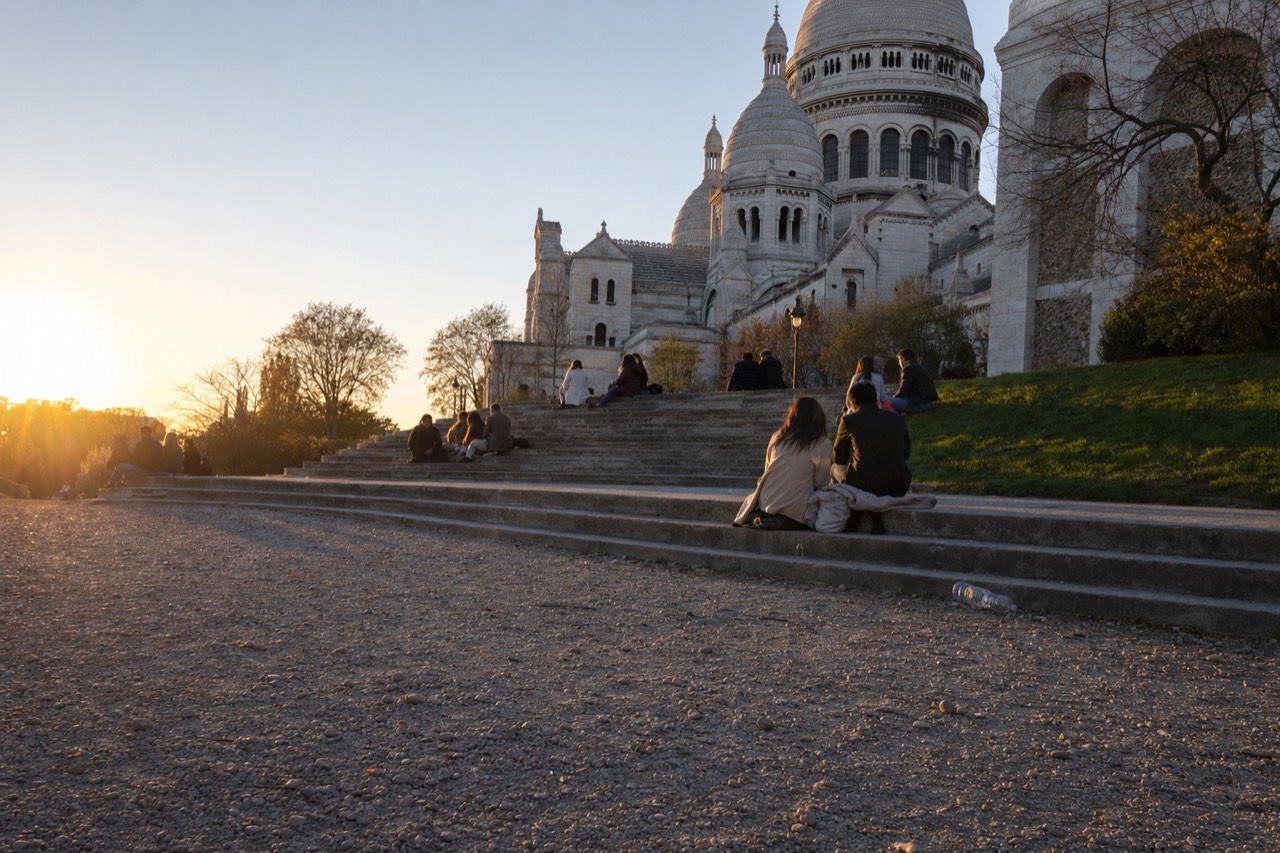
The categories stack up quickly. Notre-Dame entry is free, full stop, and the cathedral publishes its own warning that any paid entry ticket is counterfeit. Sacre-Coeur is free and open from 06:30 to 22:30 every day of the year (checked September 2026). The Tuileries, the Louvre courtyards, the Champ de Mars and the Seine quays are public space. The Latin Quarter layers Roman ruins under medieval streets, and the historic centre holds the Hotel de Ville, the Chatelet islands and the Arc de Triomphe at one end of the grand axis. Almost all of it can be walked without a ticket.
| Free category | What it includes | Catch to know |
|---|---|---|
| Free walking tours | Centre, Montmartre and Latin Quarter walks, pay what you want | You tip the guide at the end |
| City museums | Eleven of fourteen Paris Musees sites, permanent collections | Temporary shows inside are ticketed |
| The Louvre | EEA 18 to 25 on ID, under-18s of any nationality, first-Friday evenings | Booking is required for the free evening |
| Churches | Notre-Dame, Sacre-Coeur, Saint-Eustache, Saint-Severin and more | Dress codes apply, visits pause during Mass |
| Outdoor space | Tuileries, quays, Champ de Mars, parks and squares | About a quarter of City parks never close |
| Water and wifi | Drinking fountains, refill shops, Paris Wi-Fi, libraries | Sessions and hours vary |
The site behind this page, Free Things To Do In Paris, exists because that free layer is genuinely large and badly documented elsewhere. Old advice still sends people to first Sundays at the Louvre, which do not exist, and to shuttle buses that were abolished. A student who arrives with the current rules gets a different, cheaper city.
How Does A Free Walking Tour In Paris Actually Work?
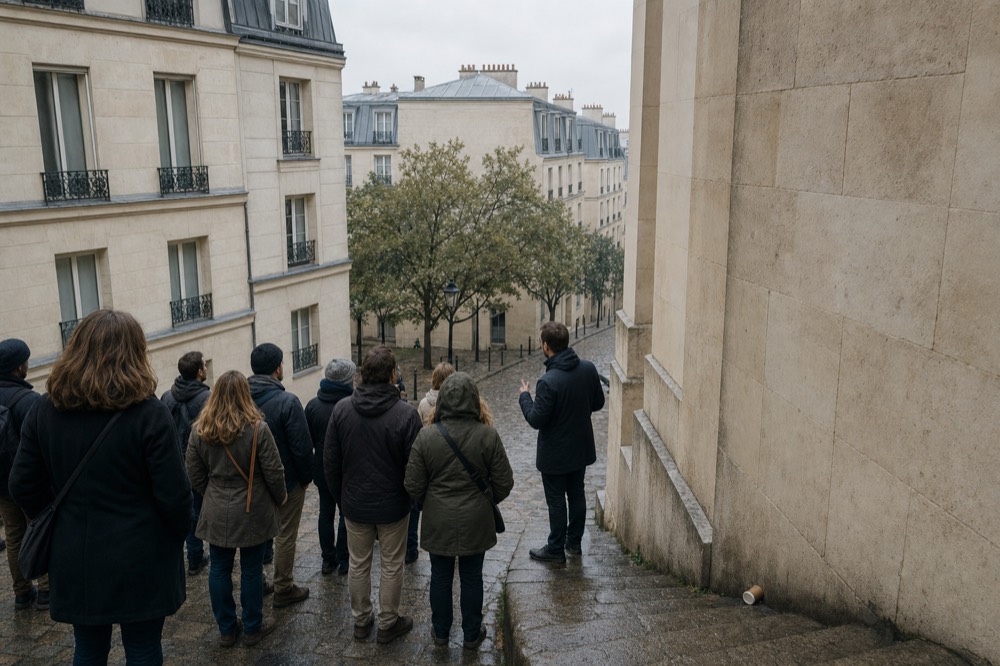
A free walking tour costs nothing to book: you reserve a place, walk with the guide, and at the end you hand over whatever you think the walk was worth. In Paris these walks are run by independent local guides and listed on GuruWalk, a marketplace that takes no payment from you at booking, and the guides pay the platform a per-walker fee reported at about 2.50 EUR per booked guest. There is no fixed price and no upfront charge anywhere in the model.
The model deserves one honest paragraph. The guide is working for tips, and the platform charges the guide a per-head fee on every booked walker, so the money you hand over at the end is not all kept by the person who walked you around. What a fair tip is, four official sources disagree: Visit Paris Region, the regional tourism body, says around 12 EUR, GuruWalk's own help article for guides says a good guide averages 10 EUR per traveller, Walkative tells its guests that most give between 10 and 50 EUR, and GuruWalk's Paris product page prints a guideline of between 15 EUR and 50 USD (all checked September 2026). There is no median figure, so treat those as reported ranges, not a going rate. A student on a tight budget who gives 10 EUR has given a normal amount by two of those four sources.
Booking is free and takes no card. Some Paris walks add that the guide accepts card or app payment for the tip. Groups can be a trap: several operators push parties of seven or more to a paid product, so a group of student friends should split across two bookings or two walks. Walkative, for instance, requires booking, cancels if fewer than five people register, and refuses parties of seven or more on the free product (checked September 2026).
The full roster of English and Spanish walks is on the free walking tours in Paris guide. The short version for a student: the centre walks give you the big landmarks, the Montmartre walks give you the village and the view, and the Latin Quarter walks give you the medieval university quarter, all on the same pay-what-you-want model.
The three centre walks below are all free walking tours run by independent local guides and listed on GuruWalk, with ratings and durations as published there (checked September 2026).
| Walk | Rating on GuruWalk | Duration | Language | Meeting point |
|---|---|---|---|---|
| Every-Side Centre Walk, 7 Stops | 4.96 across 476 reviews | 2 hours 30 minutes | English | Charles de Gaulle, Etoile |
| Bilingual Centre Walk, 9 Stops | 4.9 across 2,481 reviews (checked September 2026) | 2 hours 15 minutes | English and Spanish | Fontaine Saint Michel |
| Walkative! Centre Walk, 9 Stops | 4.73 across 2,538 reviews | 2 hours 15 minutes | English | Hotel de Ville |
Which Free Walking Tour Should You Start With In Paris?
Start with the Every-Side Centre Walk: it carries a 4.96 rating (checked September 2026) across 476 reviews on GuruWalk, runs 2 hours 30 minutes in English, and starts at Charles de Gaulle, Etoile, so you see the Arc de Triomphe end of the grand axis before the walk carries you toward the centre (all checked September 2026). For a first day in Paris, that combination of a near-perfect rating and a starting point at the city's signature arch is hard to beat, and it costs nothing until you tip.
The walk is run by an independent local guide and listed on GuruWalk. Reserving a place is free, and the meeting point at Etoile is confirmed when you book a spot. Seven stops over two and a half hours is a real walk, so wear the shoes you would wear for a museum day, and bring water, because Paris drinking fountains are everywhere but not on every corner you will cross.
The bilingual alternative suits mixed-language student groups. The Bilingual Centre Walk runs in English and Spanish, covers nine stops in 2 hours and 15 minutes, meets at the Fontaine Saint Michel on the Left Bank, and carries a 4.9 rating across 2,481 reviews on GuruWalk (checked September 2026). That review count is the largest in the centre roster, which tells you the walk runs often and fills regularly, so book a place a day or two ahead rather than counting on a same-morning slot.
Whichever of the two you choose, the practical rhythm is the same: reserve a place for free, arrive at the fountain or the arch a few minutes early, and carry a small amount of cash or a working card for the tip at the end. Both walks cover the same historic centre, so the choice between them comes down to language and meeting point rather than content.
What Is Free In Paris's Historic Centre?
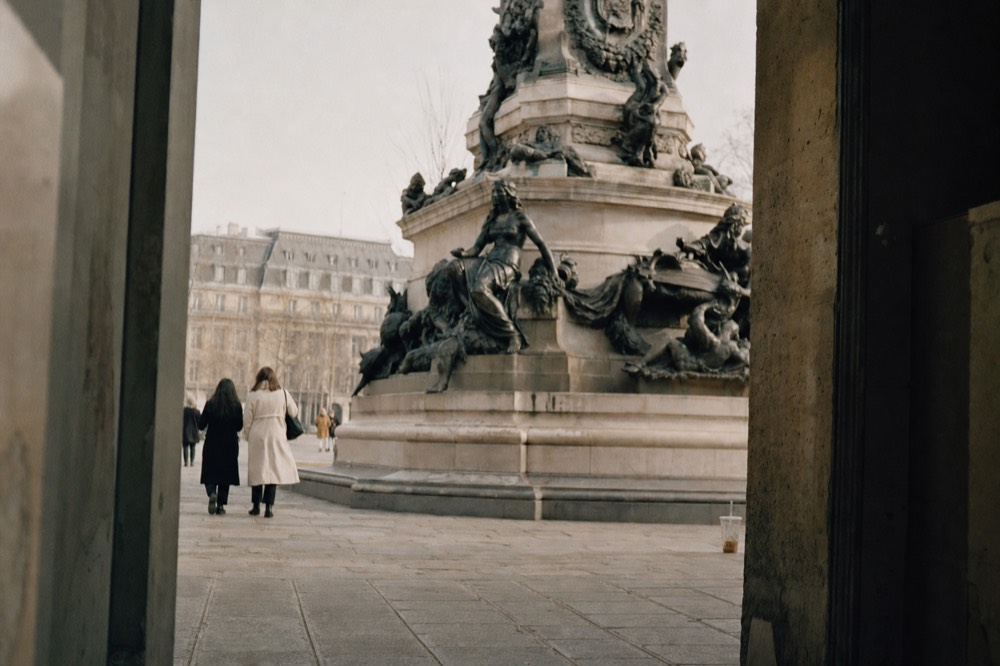
The historic centre hands students the Hotel de Ville and its new urban forest, the free Louvre courtyards open from 07:30, the Tuileries Garden, the Pont Neuf and the two islands, all walkable without a ticket, and the Walkative! Centre Walk covers nine of these stops in 2 hours 15 minutes from the Hotel de Ville with a 4.73 rating across 2,538 reviews on GuruWalk (checked September 2026). The centre is where the free layer and the paid city overlap most.
The Walkative! Centre Walk is the volume leader of the centre roster, and its meeting point at the Hotel de Ville puts you in front of the Renaissance city hall before the walk sets off. Like the others, it is a free walking tour run by an independent local guide and listed on GuruWalk: booking a place costs nothing and you pay what you want at the end.
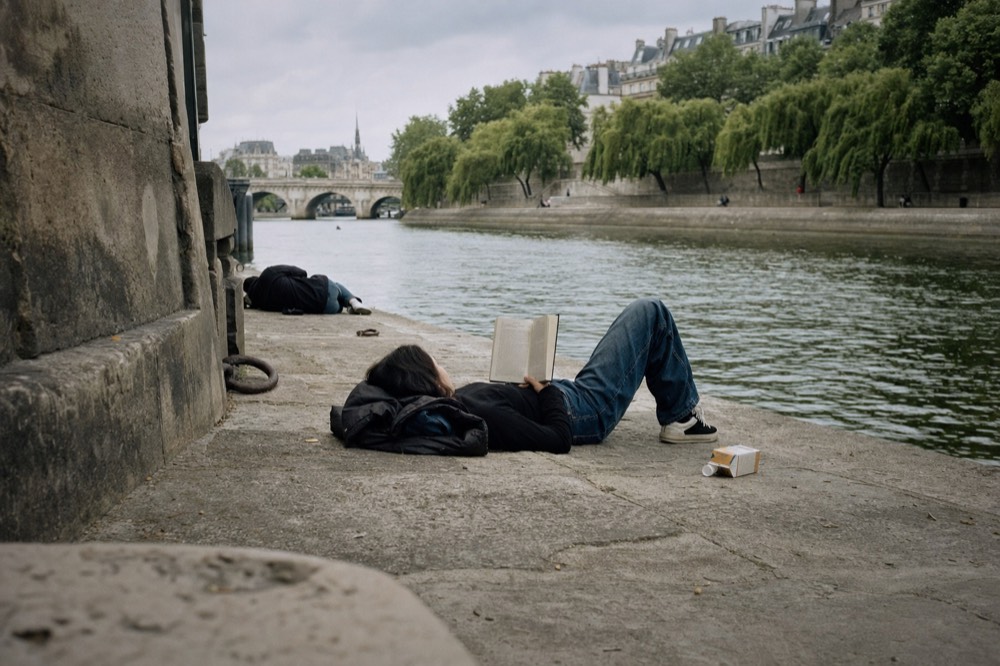
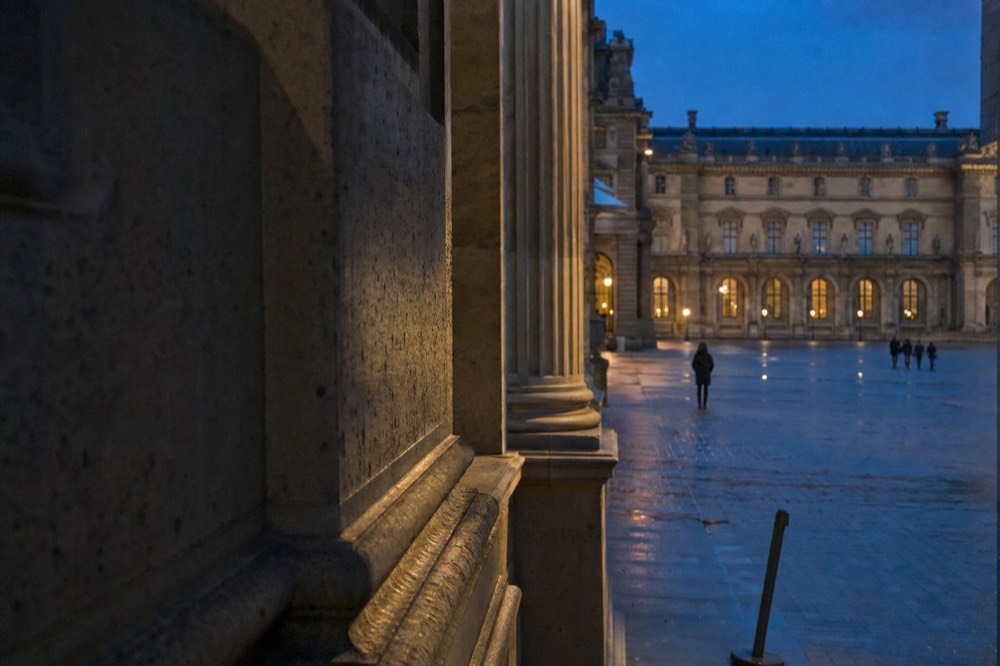
Around the walk itself, the centre's free fabric is dense. The Hotel de Ville forecourt gained an urban forest inaugurated in June 2025, about 2,500 square metres of planting with roughly 150 trees, and it is free to walk through. The Louvre's Cour Napoleon is open 07:30 to 22:00 and the Cour Carree 07:30 to 19:45, so you can stand inside the palace's architecture at night without a ticket (checked September 2026). The Tuileries is free, with two free public toilets near the Concorde and Rivoli entrances. And the riverbanks between them, the quays that students colonise every evening from spring to autumn, are public space with no closing time.
Where Can Students Eat For Almost Nothing In Paris?
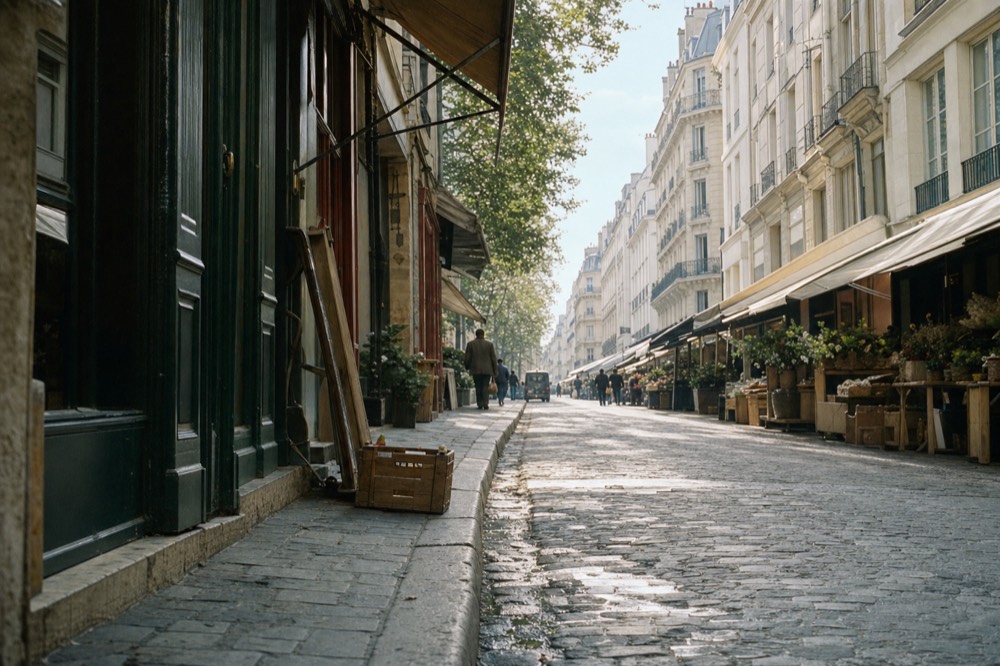
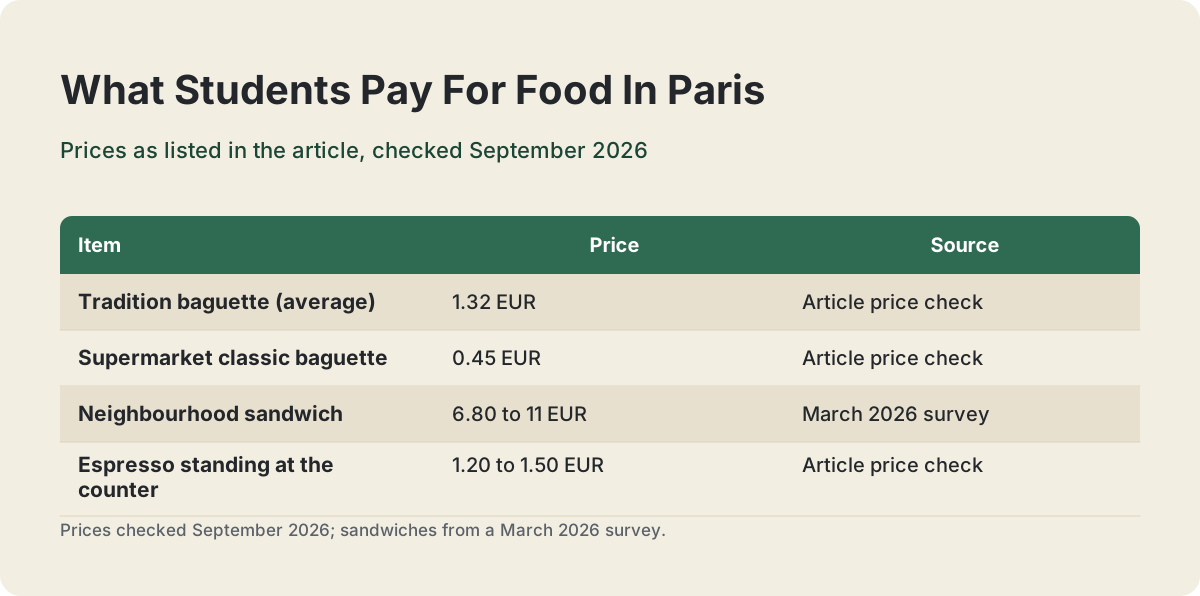
A student can eat in Paris for under 10 EUR a day without resorting to supermarket bread alone: a Paris tradition baguette averages 1.32 EUR, a supermarket classic baguette runs 0.45 EUR, neighbourhood sandwiches were listed between 6.80 and 11 EUR in a March 2026 survey, and an espresso costs 1.20 to 1.50 EUR standing at the counter (all checked September 2026). The student floor is real, but it is not the Crous floor.
One caveat first, because it misleads every student page: Crous Paris cafeterias sell a sandwich at 3.60 EUR and their lunch formule rose from 4.70 to 5.30 EUR for the 2025-26 year (checked September 2026), but those prices are for enrolled students with Crous access. A visiting student from outside the French system cannot walk in and pay them. Quote the figures as context for what local students pay, not as a tourist option. Between classes, students can connect to the free public wifi network Paris runs across more than 300 municipal sites, including every City library, with a connection process that takes about a minute and a two-hour session limit (see Free WiFi In Paris).
The bakery economy is the real lever. A 2026 survey of thousands of Paris bakeries put the average tradition baguette at 1.32 EUR in Paris, against a 1.25 EUR national mean, with only sixteen Paris shops in the sample at 1.00 EUR or less. The supermarket floor is far lower: a classic baguette was 0.45 EUR in large retail against 1.09 EUR in bakeries, and a discount chain baguette can be 0.28 EUR (all checked September 2026). A picnic built from a bakery tradition, supermarket cheese and a piece of fruit lands around 5 EUR, against an 18 to 19 EUR lunch formule in the 9th to 11th arrondissements.
Prices below are 2026 reported figures (checked September 2026).
| Item | Typical Paris price | Notes |
|---|---|---|
| Tradition baguette, bakery | 1.32 EUR average | Paris survey average, 1.95 EUR at the top |
| Classic baguette, supermarket | 0.45 EUR | Discount chains as low as 0.28 EUR |
| Neighbourhood sandwich | 6.80 to 11 EUR | Formules under 9 EUR at lunchtime |
| Espresso at the counter | 1.20 to 1.50 EUR | Standing, not seated |
| Espresso on a tourist terrace | 4.50 to 7.00 EUR | Cafe de la Paix terrace lists 7 EUR |
| Carafe of tap water | Free | Legal right in a table-service restaurant |
Two rules make cafe life affordable. First, drink standing: French menus must show the counter price, and the spread from 1.20 EUR at the zinc to 7 EUR on a palace terrace is the whole budget lesson in one cup. Second, the carafe: French law obliges restaurants, cafes and bars to serve customers free drinking water on request, cool or room temperature, and to say on the menu that you can ask. Ask for "une carafe d'eau" with any order and it is free. A passer-by who orders nothing is not covered, and refusal can be fined.
For the fuller money breakdown, the Paris on a budget guide carries the accommodation tax, hotel price context and the small costs this page skips.
Which Museums Can Students Enter Free In Paris?
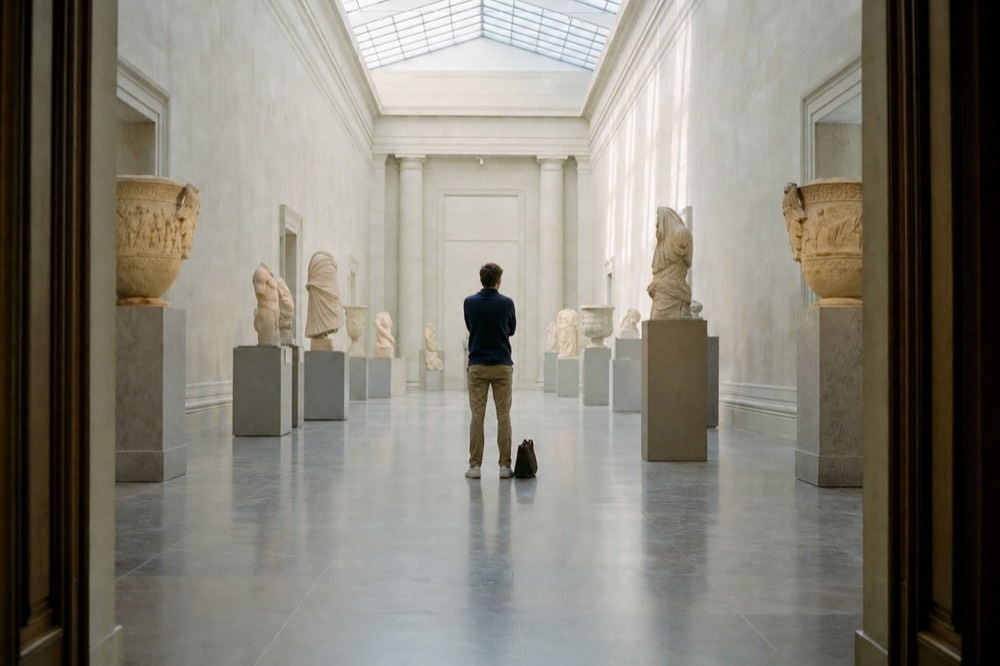
Most European students enter the Louvre free: EEA residents and citizens aged 18 to 25 get in on photo ID, under-18s of any nationality are free, and the museum also opens free to everyone on the first Friday of the month after 18:00 except in July and August, with 2 October, 6 November and 4 December 2026 as the remaining dates (checked September 2026). Non-EEA students over 25 pay 32 EUR, EEA visitors 22 EUR, a two-tier system in force since 14 January 2026.
Kill the zombie rule first: the Louvre has no first-Sunday free day, in any season, and has not had one for years. The first-Friday evening is the all-visitor free window, and it uses its own booking page, with booking mandatory and slots released only days ahead. Free Friday tickets go fast, and visitors report refreshing the page the week of the visit. The 14 July free day also exists, except when 14 July falls on a Tuesday, the Louvre's closing day, which it did in 2026, so there was no free Bastille Day visit this year. The museum states all of this on its own hours and admission page.
The City museums are the easier free route, with no booking and no monthly scheme to remember. Eleven of the fourteen Paris Musees sites keep their permanent collections free every opening day: the Petit Palais, the Musee Carnavalet, the Musee d'Art Moderne and others, with the Catacombes, the Crypte archeologique and the Palais Galliera as the three that charge. One 2026 exception to plan around: the Maison de Victor Hugo charges for everything, permanent collection included, from 11 June to 22 November 2026 for its architecture exhibition (checked September 2026).
Free routes into Paris museums for students (all checked September 2026).
| Museum | Free route for students | Booking rule |
|---|---|---|
| Louvre | EEA 18 to 25 on ID, any nationality under 18 | Booking recommended, mandatory for the free Friday evening |
| Louvre, first Friday | Free for everyone after 18:00, except July and August | Own booking page, slots released days ahead |
| Musee d'Orsay | First Sunday free for all, 16 EUR otherwise, 14 EUR at the door | Free Sunday requires a booked slot |
| Musee Picasso | First Sunday free, no booking possible | Walk to access control with proof |
| Petit Palais | Permanent collections free every day | No booking |
| Musee Carnavalet | Permanent collections free every day | No booking |
| Musee Rodin | First Sunday free, October to March only | No booking |
The Orsay deserves its own note for the counter-intuitive part: the door price is cheaper than the online price, 14 EUR against 16 EUR, and 10 EUR against 12 EUR for the Thursday late opening (checked September 2026). The free first Sunday there requires a reserved slot and sells out, so a student targeting it should book the moment slots open. The full museum-by-museum detail, including the Pompidou closure and the new Maison Pompidou, is on the free museums in Paris guide.
How Do Students Get Around Paris Cheaply?
A single metro or RER journey costs 2.55 EUR and a bus or tram journey 2.05 EUR, with no discounted ten-pack any more, so ten metro rides cost 25.50 EUR, while a Navigo Jour day pass costs 12.30 EUR and breaks even at five rides, and the airport ticket is a flat 14 EUR (all checked September 2026). The arithmetic makes walking the default and the metro a deliberate choice.
The old carnet of ten is dead: cardboard carnets ended in September 2023, the t+ ticket product ended on 1 January 2025, and magnetic paper tickets stopped being sold in stations in November 2025. Anyone repeating the carnet advice is repeating a fossil. You now load tickets onto a Navigo Easy card, which itself costs 2 EUR, or onto a phone. Metro and bus are two separate products: one ticket does not cover both, and using a metro ticket on a bus can draw a fine.
For a student day, the honest maths favours feet. The Louvre to Notre-Dame is about 1.5 km, twenty minutes. Notre-Dame to the Latin Quarter is about 500 metres. The Louvre to the Eiffel Tower is about 3.5 km, 45 to 50 minutes. A realistic central sightseeing day is 8 to 12 km on foot, which is exactly what a student day in Paris tends to be anyway. Save the metro for the long jumps, and buy a Navigo Jour only on a day with five or more rides. The cheapest way to get around Paris carries the full fare comparison.
2026 fares, per Ile-de-France Mobilites (checked September 2026).
| Ticket | Price | Validity |
|---|---|---|
| Metro-Train-RER, single | 2.55 EUR | One journey, transfers within the rail network for 2 hours |
| Bus-Tram, single | 2.05 EUR | One journey, bus and tram transfers for 1h30 |
| Navigo Jour | 12.30 EUR | One day, all zones, airports excluded |
| Airport ticket | 14.00 EUR | One journey to CDG or Orly |
| Navigo Easy card | 2.00 EUR | The card itself, one-off |
| Reduced fare, under 10s | 1.30 EUR metro, 1.05 EUR bus | Children 4 to under 10 |
One more student-relevant freebie in this territory: the Montmartre funicular is not free, it costs the same 2.55 EUR as a metro ticket, and the roughly 400 steps beside it cost nothing. On a student budget the steps win, and they deposit you at the same view.
What Can Students Do In Paris At Night For Free?
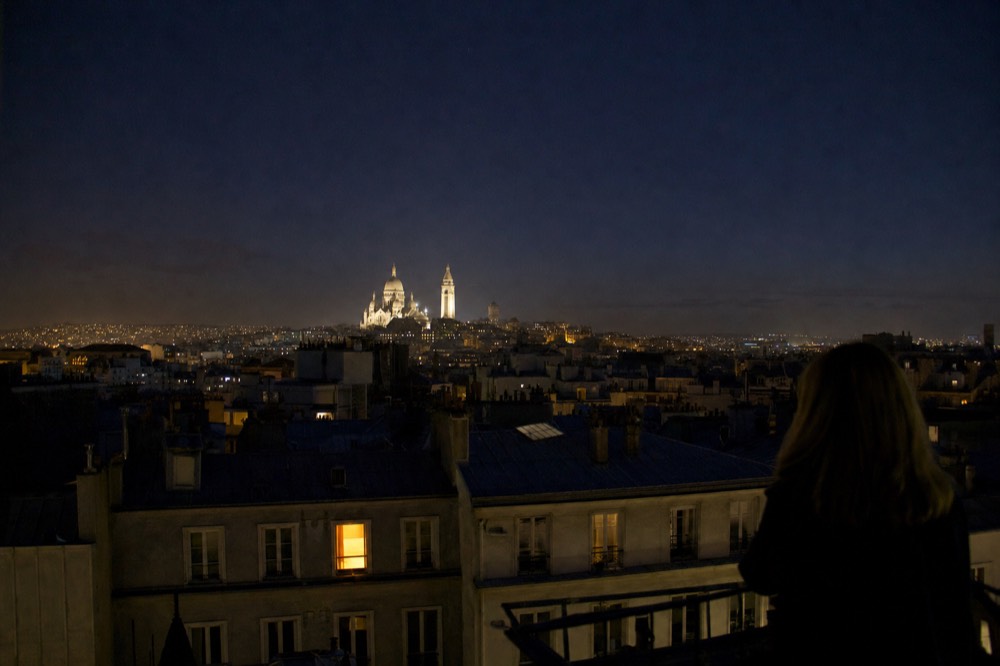
Paris after dark has a genuine free layer: Sacre-Coeur stays open until 22:30 with free entry every day of the year, about a quarter of the 550-plus City parks and squares never close at all, the Louvre's Cour Napoleon stays open until 22:00, and the Galeries Lafayette rooftop terrace is free during store hours (all checked September 2026). The free city does not shut at sundown.
Sacre-Coeur is the anchor. Free admission, open 06:30 to 22:30 with no exceptions in the calendar, and the basilica's own crowd note warns of a 10 to 15 minute wait between 10:30 and 17:00 (checked September 2026). Go in the evening instead: the queue shrinks, the view over the illuminated city is the same, and the walk down through Montmartre afterwards costs nothing but calories. The Mur des Je t'aime, the "I Love You" wall in Square Jehan Rictus that appears on every free-Paris listicle, has been behind barriers since early March 2026 after the structure weakened, so do not build a Montmartre evening around it.
The parks are the other answer. The City of Paris states that about one quarter of its 550-plus parks, gardens and squares are open 24 hours a day, all year, while the state-run gardens, the Tuileries, the Luxembourg and the Jardin des Plantes among them, close. In summer the City runs a late-opening scheme keeping selected gardens open to midnight, and during the 2026 heatwave most parks stayed open all night. For a student evening with a picnic bag, that is the whole plan, with one legal note: drinking alcohol is forbidden in City of Paris parks, so the wine stays at the cafe terrace or the quays where enforcement is rare.
The calendar adds free nights on top. Nuit Blanche, the all-night contemporary art festival, now runs in June, not October: the 2026 edition was the night of Saturday 6 June, free and mostly without booking. The Fete de la Musique on 21 June makes every concert in the country free for one night. And the free first-Friday evenings at the Louvre, listed above, put the world's most visited museum into a student's evening budget for exactly 0 EUR at the door. Beyond these fixed dates, the calendar of free entertainment in Paris runs all year, with parks, riverside quays, pay-what-you-want walking tours and night openings filling the gaps between festivals (see Fun In Paris).
The same free model covers the rest of the city. If the centre walk fills your first day, the Latin Quarter and Montmartre walks below fill the second and third on the same pay-what-you-want terms, each run by an independent local guide and listed on GuruWalk.
Students ask the same six questions about free Paris every year: whether the Louvre is free for them, what to tip on a free walk, whether the first-Sunday rule exists, whether tap water is free, whether booking is needed, and whether non-European under-26s get museum discounts. The answers below settle each one with the current 2026 rules, so nothing here depends on the outdated advice still circulating on most travel blogs.
Common Questions About Free Paris For Students
Do students get into the Louvre for free?
EEA residents and citizens aged 18 to 25 get in free with photo ID, and under-18s of any nationality are free regardless of residence (checked September 2026). Non-EEA students over 25 pay the 32 EUR non-EEA rate. A foreign national holding a French residency permit counts as an EEA resident and pays the EEA rate.
How much should I tip on a free walking tour?
There is no fixed amount, and official sources disagree: Visit Paris Region says around 12 EUR, GuruWalk's guide help article cites a 10 EUR average per traveller, and Walkative tells guests most give between 10 and 50 EUR (all checked September 2026). For a student, 10 EUR is a defensible normal tip by two of those sources. The guide pays the platform a per-walker fee, so the tip is not all kept by the guide.
Is the Louvre free on the first Sunday of the month?
No. The Louvre has no first-Sunday free day in any season and has not had one for years. The all-visitor free window is the first Friday of the month after 18:00, except in July and August, with booking mandatory on the museum's own nocturne page. The remaining 2026 dates are 2 October, 6 November and 4 December.
Can I drink tap water in Paris for free?
Yes, in two ways. Public drinking fountains serve free water, and in a table-service restaurant French law obliges the establishment to serve you free drinking water on request, cool or room temperature, when you are consuming on the premises. Ask for "une carafe d'eau". A cafe is not obliged to serve a passer-by who orders nothing.
Do I need to book a free walking tour in advance?
Yes, book a place, which costs nothing. Many Paris walks need a minimum of five registered walkers to run, and popular departures fill. Groups of seven or more are often pushed to a paid product, so a student group should split bookings. The meeting point and start time are confirmed when you reserve.
Are Paris museums free for under-26s from outside Europe?
It depends on the museum. The Louvre's under-26 free rule applies to EEA citizens and residents only. The Musee d'Orsay extends free entry to 18 to 25 year olds who are long-term residents of France or another EU country with a visa of more than three months. Under-18s are free at both regardless of nationality. The City of Paris museums are free for everyone, every opening day, no age check at all.